
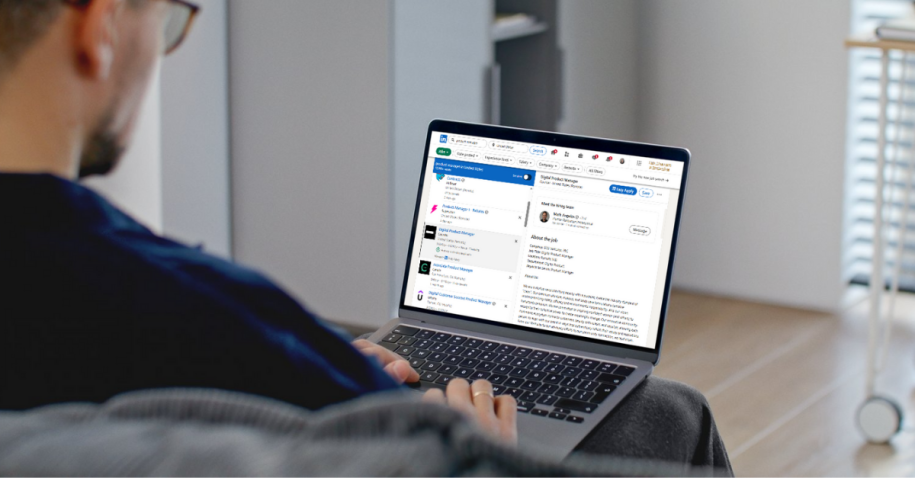
The most effective way to improve visibility with hiring managers quickly is to move beyond passive job applications and engage in direct, personalized outreach. Instead of relying solely on job boards where your resume can get lost among hundreds of others, proactively identifying and contacting the right people at your target companies allows you to bypass the initial screening filters and place your qualifications directly in front of decision-makers.
This approach works because it demonstrates initiative, confidence, and a genuine interest in the role that mass applications cannot convey. Hiring managers are often inundated with generic submissions and are more likely to notice a candidate who has taken the time to research the company, understand its needs, and craft a message that connects their skills to specific business goals. Direct outreach transforms you from a passive applicant into an active, memorable candidate.
By shifting your focus to targeted communication, you take control of the narrative. You are no longer waiting for an applicant tracking system (ATS) to validate your experience. Instead, you are building a professional connection and opening a dialogue, which significantly increases your chances of getting noticed and securing an interview. This strategic move makes your job search more efficient and puts you on the radar of the people who have the power to hire you.
This approach is part of a broader strategy around personalized AI recruiter outreach, where visibility comes from relevance rather than volume.
Why direct outreach increases visibility with hiring managers
Many job seekers feel their applications disappear into a “resume black hole” because they rely on a process that was not designed for individual visibility. When you apply through a standard online portal, your resume is first processed by an applicant tracking system. This software is programmed to scan for specific keywords and qualifications, filtering out a high percentage of candidates before a human ever sees their application. One study found that up to 75% of resumes are rejected by an ATS before they reach a recruiter ( SHRM research). This system prioritizes efficiency for the employer, not visibility for the applicant.
Direct outreach works by sidestepping this initial, automated gatekeeper. Instead of entering the front door with everyone else, you are finding a side entrance. By identifying the hiring manager, a team lead, or a relevant department head on platforms like LinkedIn, you can present your case directly. This isn’t about spamming contacts with generic requests. It is about strategic networking. A well-crafted message demonstrates that you have done your homework on the company’s challenges and can articulate how your unique skills provide a solution. This level of personalization makes your message stand out in a crowded inbox and reframes you as a proactive problem-solver rather than just another applicant in a queue.
A common misunderstanding is that direct outreach is intrusive or unwelcome. While unsolicited messages can be ignored if they are poorly executed, hiring managers are often open to connecting with strong, relevant candidates. Their primary goal is to find the best person for the job, and a candidate who makes their job easier is often appreciated. The key is relevance and respect. The message must be concise, tailored to the recipient, and clearly state the value you bring. Research confirms that personalized communication is far more effective at capturing attention than generic templates (Harvard Business Review). When you show genuine interest and respect for their time, you are not being a nuisance; you are being a strategic professional.
When direct outreach works and when it backfires

Direct outreach is most effective and safe when you have a clear, specific reason for contacting someone. This could be in response to a posted job opening, an expression of interest in a particular department, or a follow-up after a networking event. The ideal scenario is when you can connect your skills directly to a stated need of the company, such as a challenge mentioned in a recent news article or a skill gap evident from the job description. In these cases, your message is relevant and positioned to be helpful, making it a low-risk, high-reward action. You are providing a potential solution, not just asking for a job.
However, this approach becomes risky when it is done without proper research or personalization. Sending generic, copy-pasted messages to dozens of employees at a company can damage your professional reputation. If your message is irrelevant to the person’s role or shows a clear lack of understanding of the company, it will likely be perceived as spam. It is also risky to be overly demanding or presumptuous in your tone. Asking for a job outright without building any context or rapport can be off-putting. The goal is to start a conversation, not demand an outcome.
If you are not confident in your ability to craft a highly personalized message or if you cannot identify the specific hiring manager, there are alternative steps you can take. A safer approach is to engage with the company’s content on professional networking sites. Comment thoughtfully on posts, share their updates, and follow key employees. This slowly builds visibility without the pressure of a direct message. Another option is to seek a warm introduction through a mutual connection. A referral, even from a casual acquaintance, can lend you credibility and ensure your message gets read. This method leverages the power of networking in a more structured and less direct way.
FAQ: How to improve visibility with hiring managers quickly
1. Can direct outreach really get you noticed by hiring managers?
Yes, a personalized and well-researched direct message can significantly increase your visibility. It allows you to bypass initial screening systems and demonstrates a level of proactivity and interest that helps you stand out from other candidates who only apply through traditional channels.
2. Does contacting a hiring manager directly seem too aggressive?
It depends on the approach. A respectful, concise, and relevant message that focuses on the value you can bring is typically viewed as professional and confident, not aggressive. Avoid demanding language and focus on starting a conversation.
3. When is the best time to reach out to a hiring manager?
The best time to reach out is shortly after applying for a specific role, allowing you to reference your application. You can also reach out proactively if you have a strong reason to believe your skills align with the company’s needs, even if no specific job is posted.
4. What if I contact the wrong person at the company?
Contacting the wrong person is a low-risk mistake. If your message is professional and well-written, the recipient may ignore it or, in many cases, forward it to the correct person or department. It is more important to take the initiative than to wait for perfect information.
By mastering the art of direct engagement, you can actively shape your career path instead of passively waiting for opportunities to find you.