

Finding a new job can feel like a job in itself. If you’re in the midst of sending out applications and waiting for responses, you might be wondering how long this is going to take or if you will ever find a job I truly love. These are common questions, and the answers aren’t always straightforward. The good news is, with the right mindset and strategies, you can land a role that excites you. In this guide, we’ll explore:
- How long it typically takes to find a job (or a new job) – and why it can vary.
- How to find a job you love – tips for discovering a career that fulfills you.
- How to find the hiring manager for a job – a smart tactic to boost your chances.
By the end, you’ll also see how to tie these insights together and give your job search a boost. Let’s dive in!
How Long Does It Take to Find a Job?
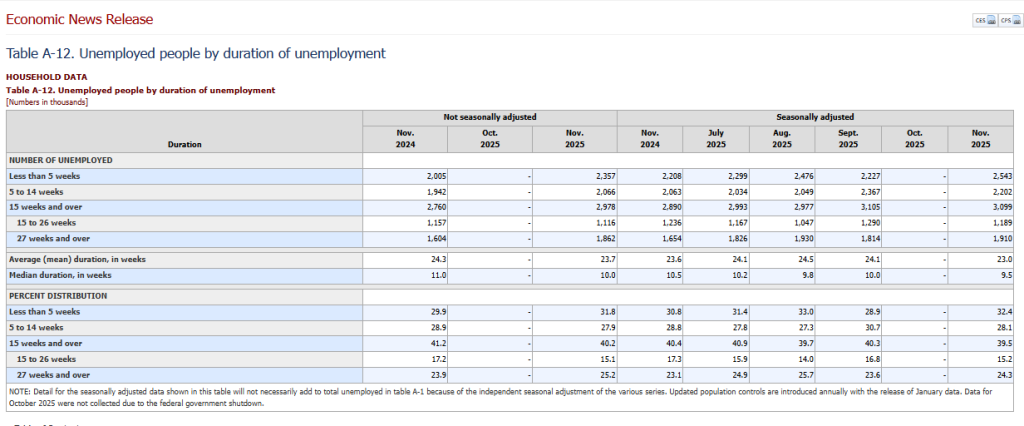
If it feels like you’ve been job-hunting forever, take heart because you are not alone. The length of a job search can range widely, but many experts often cite a ballpark of about 3–6 months from start to finish. In fact, one study found it takes job hunters an average of around five months to land a new position. Government data backs this up, as the U.S. Bureau of Labor Statistics reported an average unemployment duration of roughly 23–24 weeks in recent years.
Why does it take so long? Simply put, there are many variables at play. Here are a few key factors that can affect your job search timeline:
- The Job Market & Economy: In a strong economy with lots of openings, jobs are easier to come by. In tougher times or competitive fields, positions are scarcer and competition is higher. For example, if your industry is going through layoffs or a hiring freeze, finding a job will likely take longer.
- Industry & Role Demand: Some fields hire faster than others. A high-demand tech role might get filled quickly but also has more applicants, whereas a niche or senior position could take longer to find the right fit.
- Your Experience & Skills: If you have in-demand skills and relevant experience, you might land interviews more easily. If you’re light on experience or switching careers, the search can be longer as you build up your qualifications. Don’t be discouraged. Consider volunteering, freelancing, or taking a course to boost your résumé while you search.
- Time of Year: Believe it or not, timing matters. Hiring tends to ramp up in the new year when companies have new budgets and plans. Late spring and summer can slow down due to vacations, and the end-of-year holidays often bring a hiring lull. That said, jobs open up year-round, and savvy seekers keep an eye out consistently.
- Location & Flexibility: If you’re open to relocating or remote work, you’ll have more options, potentially shortening your search. Conversely, if you need a job in a very specific city or you’re only looking for fully remote roles, it might take longer to find that perfect match.
Considering all these factors, it makes sense that finding a job can take a few months. For instance, career experts note that you typically have about an 8% chance of getting an interview from any given application. That means you might need to send out 10–20 applications to get one interview, and perhaps go through 10–15 interviews to secure one offer. No wonder it can take a while! The key is not to get discouraged by the numbers. Every application, every networking chat, and every interview is progress. You are sharpening your approach and getting closer to that offer.
Pro Tip: Stay proactive and positive. Treat your job search like a project. Set aside time each day or week for searching and applying. Celebrate small wins like getting a call back or learning a new skill. And remember, the process is temporary. The right opportunity will come if you keep at it. As Harvard Business Review advises, keeping a positive, forward-moving mindset can have a beneficial impact on your results.
How Long Does It Take to Find a New Job?
What if you already have a job and you’re looking for a new one, or you’ve recently left a position and need to find another? The timeline for finding a new job is usually similar, often a few months, but it can depend on your situation. Many of the same factors apply, like the economy and your industry, but here are a couple of nuances:
If You’re Currently Employed: Job searching while employed can sometimes take longer simply because you may have less time to devote to applications and interviews. On the other hand, you might be more selective about new opportunities since you aren’t without income. It’s a bit of a balancing act because you are not in a rush, but you also have to schedule interviews around your current job. Expect the process to still take a few months in most cases, and try to be patient and discreet in your search.
If You’ve Been Laid Off or Unemployed: You might be highly motivated to land a new role quickly. You can devote more time to the search, which is good, but be prepared for it to potentially take several weeks or more to secure something, even if you’re applying diligently. The average timelines we discussed (3–6 months) still hold true. The good news is that recently some data suggests job searches may be speeding up. One 2024 analysis found job seekers were averaging about 182 days to get hired, down from much longer averages the year before. So, things can improve!
Ultimately, whether it’s your first job or your fifth, finding that next position will likely take at least a few weeks and more often a few months. There’s no fixed answer because everyone’s path is different. You might get lucky and snag an offer in a month, or it might be half a year of searching. Both scenarios are normal.
How can you speed it up? Focus on what you can control. Make sure your resume and LinkedIn profile are up to date and highlight your accomplishments. Tailor your applications to each job, because a targeted application stands out more than a generic one. Use your network by letting friends, former colleagues, or mentors know you’re looking, as many jobs are found through referrals. And consider reaching out directly to hiring managers or using tools to streamline applications. Even small steps, like applying to new postings quickly, can increase your chances of getting noticed. Every bit of effort to refine your strategy can shave time off your search.
Above all, don’t lose hope. It’s easy to feel frustrated if a month or two passes without an offer. But if you keep improving your approach and perhaps broaden your options a bit, your persistence will pay off. Many job seekers who stay consistent do find opportunities in time. You want not just any job, but a great fit, and sometimes that extra time leads you to the role that was worth waiting for.
How to Find a Job You Love
Landing a job is one thing, but landing a job you truly love is another. Yet it’s absolutely possible with some self-reflection, exploration, and persistence. Finding a career that excites you is like any worthwhile journey. It takes a bit of planning and an open mind. Here are some steps and tips to help you discover a job that you’ll be happy to wake up for each day:
Reflect on Your Values, Interests and Goals
Start with some soul-searching. What actually matters to you in work and life? Make a list of your core values, interests, and long-term goals. Maybe you thrive on creativity, or you want to make a difference in your community, or you value work-life balance. Knowing this helps you target roles that align with who you are. Remember that finding a career you love can build purpose and enjoyment into your daily work, so it’s worth aiming for a role that fits your values. Also think about what motivates your desire for change. As one career coach notes, you should be running towards something, not just away from your current job.
Identify Your Strengths and Passions
Sometimes your passion hides in plain sight, in the things you’re already good at or love doing as a hobby. Ask yourself what tasks you have excelled at or enjoyed the most in past jobs or projects. What do friends or coworkers say you are good at? Look for patterns. You might discover, for example, that you love teaching others, designing graphics, or solving complex problems. Finding overlap between what you’re good at and what you enjoy is key. However, keep in mind that just because you’re skilled in something doesn’t automatically mean it’s your passion. Focus on the ones that energize you. If you’re unsure, consider trying personality or career aptitude tests. Tools like the O*NET Interest Profiler or StrengthsFinder can suggest fields that match your personality and talents. These aren’t absolute answers, but they can give you ideas to explore.
Research Possible Careers (and Don’t Be Afraid to Dream)
With some self-awareness in hand, start brainstorming jobs that could be a match. It helps to cast a wide net at first. Let’s say you love writing and care about the environment. Possible paths might range from content marketing for a green tech company, to grant writing for a nonprofit, to journalism. Use online resources to research roles, industries, and companies. Utilize high-quality job boards and career websites to discover job titles you never knew existed. Read job descriptions to see what duties excite you. You may stumble on a role that perfectly fits your wishlist. As you research, keep an open mind because the job you love might be something you haven’t heard of before. Networking can be incredibly useful here too, so talk to people in fields you find interesting. Informational interviews or casual chats with contacts can give you an inside perspective on what a job is really like and whether it might suit you.
Gain Experience and Skills in Areas of Interest
Once you have a target or a short list of dream jobs, figure out what you might need to get there. If you’re pivoting to a new field, do you need to learn a specific skill or earn a certification? If so, consider taking an online course via platforms like Coursera or volunteering for projects that build that skill. Sometimes, you won’t know if you love a type of work until you try it out. If possible, take on small gigs, freelance work, or side projects in the field of interest. For example, if you think you’d love event planning, help organize a charity event on the weekend. This not only boosts your resume, but it also gives you a taste of the work to confirm if it’s actually enjoyable for you. Additionally, these experiences can connect you with people in the industry.
Target Companies that Align with Your Passion
A job you love isn’t just about the role because the company and environment matter too. Research organizations that share your values or excite you. Perhaps you care about innovation, or helping others, or you simply love a product that a certain company makes. Working for an employer whose mission or culture resonates with you can turn an okay job into a great one. Make a list of dream companies and follow them. Sometimes a fulfilling career is as much about where you work as what you do.
Stay Open-Minded and Patient
Finding your dream job might not happen overnight. It’s okay to take a stepping stone job while you continue pursuing what you love on the side. Each role you take can teach you something and build your network. Keep evaluating opportunities that come your way. If a new opening gets you closer to your ideal work, it might be worth considering even if it’s not the ultimate goal yet. And be patient with yourself. As one expert puts it, finding your passion can take time in a fast-paced world, so give yourself permission to observe and experiment. Your career is a journey, and it’s never too late to steer it toward what genuinely interests you.
Bottom line: When you align your career with your passions and values, work doesn’t feel like drudgery. It becomes enjoyable and meaningful. People do find or create jobs they love, but it takes reflection, courage to explore new paths, and sometimes a bit of risk. Don’t settle for less than what will make you happy in the long run. With persistence and self-knowledge, you can navigate toward a role that not only pays the bills, but also brings you fulfillment each day. And once you land that job you love, all the effort will have been worth it.
How to Find the Hiring Manager for a Job
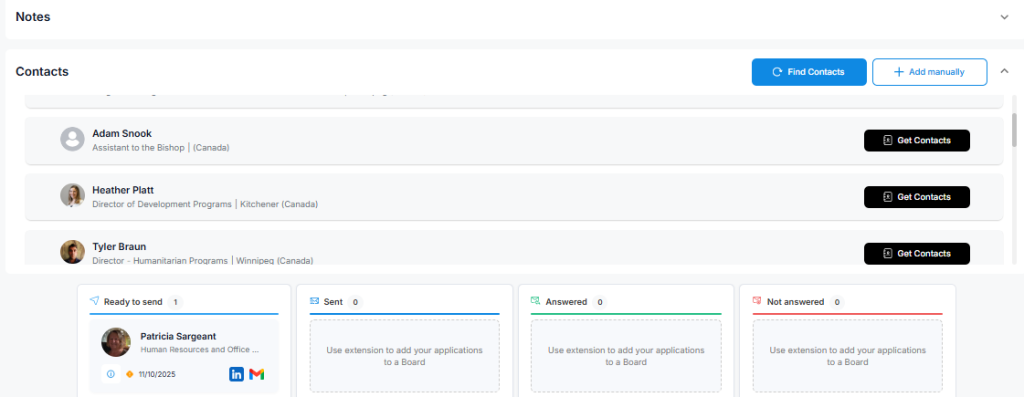
Now let’s switch to a more tactical tip that can seriously boost your job search success: finding and reaching out to hiring managers. Many job seekers simply submit an application online and passively wait. But consider this: over half of applicants never hear back at all after applying online. Why? Often, resumes get filtered out by software or lost in the heap. One way to stand out is to contact the decision-maker directly. This proactive approach can get your name in front of the person who actually makes the hiring decision, rather than hoping your resume survives the Applicant Tracking System (ATS) black hole.
But first, you have to find out who the hiring manager is for the role you want. This isn’t always obvious from the job posting. Here are some strategies to sleuth out the right person so you can reach out professionally:
Read the Job Posting for Clues
Many job listings contain subtle hints about the role’s reporting structure. Look for lines like “This position reports to the Director of [XYZ]” or “You will work closely with the VP of [ABC].” These can tell you who the manager or department head might be. If the posting says it reports to the Marketing Manager, you can go look up who the Marketing Manager at that company is. Sometimes the posting even lists the team or manager’s name. Use any specific title mentioned as a starting point to identify the likely hiring manager.
Search LinkedIn for Company Insiders
LinkedIn is your best friend for this detective work. Go to the company’s LinkedIn page and click on the list of employees. Then use the search filter to find people by title or department. For instance, if you applied for a Project Analyst role in the finance department, search for terms like “Finance Manager” or “Director of Finance” at that company. Look at profiles, as often you can identify who leads the team that’s hiring. Another approach is to see if the job posting on LinkedIn shows a person who posted it or the recruiter’s name. Even if you only find the department head or a senior manager, that person might be the hiring manager or at least influential in the process.
Check the Company’s Website and Social Media
Many companies, especially smaller ones or those proud of their team culture, have an “About Us” or “Team” page on their website listing key employees. See if you can find the head of the department related to your job. Press releases or the company blog can also be goldmines. For example, a press release might quote the VP of Engineering about a new product launch, telling you who leads that department. The more you learn about who’s who, the better you can pinpoint the person who might be hiring for your target role. Sometimes even a Google search of the company name plus the department or title can surface names.
Use Email Lookup Tools or Formats
Once you have a name and a company domain, you can often guess or find the email address. Most companies have a standard email format, like firstname.lastname@company.com. You can try to deduce it, or use tools like Hunter.io to confirm the address. Another trick is to check if the person has a personal website or bio somewhere, as they sometimes list their contact info. If you’re unsure, you can always reach out on LinkedIn with a brief message as an alternative, but a direct email can feel more personal and may reach them more effectively.
Leverage Your Network
Do you know someone who works at the company or has connections there? Ask them if they know who is in charge of hiring for that team. Even if they don’t, they might point you to someone who does. In some cases, a mutual connection could even introduce you, which is the warmest way to get in touch. Don’t overlook this classic networking approach because an internal referral or name-drop can immediately set you apart from other applicants.
Once you’ve identified the hiring manager, what do you do with that info? Craft a polite, concise outreach message. The goal is to express your interest and highlight how you could add value, without coming off as pushy. For example, you might send an email saying you applied for the position, are very excited about the company, and mention one or two specific skills or accomplishments relevant to the job. Keep it short and upbeat. You’re not rehashing your entire resume, just enough to pique their interest and show you’re a proactive, strong candidate. End by thanking them and maybe indicating you’d love the chance to discuss how you can contribute to their team. Even a brief note like this can make a difference. It shows initiative and can sometimes prompt the manager to pull your application from the pile and give it a closer look.
Important: Always remain professional and respectful in your outreach. Not every hiring manager will respond, and some might still direct you to HR or the official application channel. But many will appreciate the courteous enthusiasm. In the best case, this outreach strategy can lead to an early interview or at least ensure your resume gets seen by human eyes. At minimum, you’ve demonstrated you go the extra mile, which is a great impression to make.
Finding the hiring manager and reaching out can feel a bit bold, but it’s a smart move in today’s job market. When done right, it helps you rise above the crowd of anonymous applicants. Just remember to be prepared. If they respond or call you, you’ll want to speak knowledgeably about the role and company. Do your homework beforehand. Many job seekers have landed interviews this way, and even if you don’t always hear back, the ones that do respond can open doors for you that would have otherwise stayed closed. In a world where automation filters applicants by the dozens, a bit of human-to-human connection goes a long way.
FAQ: How long does it take to find a job you love
- Does networking really make a difference in finding a job I love?
Absolutely. Many unadvertised “hidden” jobs are filled through referrals and personal connections before they even hit public job boards. By engaging with industry peers and attending events, you gain insider knowledge about company cultures, which helps you find networking opportunities that truly align with your values. - How many jobs should I apply to each week?
Quality matters far more than quantity when you want to land a role you love. Instead of blasting out generic resumes, focus on tailoring 5–10 high-quality applications weekly to positions that genuinely excite you. This focused approach allows you to customize your materials and research the company thoroughly. - What if I don’t hear back after applying?
Silence is frustrating, but it doesn’t always mean rejection. Wait about one to two weeks, then send a polite follow-up email to the hiring manager or recruiter to reiterate your interest. Sometimes a well-timed nudge is exactly what’s needed to get your application noticed amidst a busy hiring season. - Can I find a job I love without having 100% of the qualifications?
Yes, you often can. Job descriptions are usually wish lists, and employers often hire candidates who show potential, cultural fit, and a willingness to learn. Highlight your transferable skills and demonstrate your enthusiasm for the mission, as passion can bridge the gap in technical experience. - Is it okay to take a break during my job search?
Taking a break is not only okay but necessary to prevent burnout. Stepping away for a few days to recharge can give you a fresh perspective and renewed energy when you return to your search. A well-rested candidate performs better in interviews and writes more compelling applications than an exhausted one.
Wrapping Up: Accelerate Your Job Search
Navigating a job search can be challenging, but with the right approach, you can find not just any job, but one you truly love. We’ve talked about setting realistic expectations on timeline, doing the introspective work to target a fulfilling career, and using proactive tactics like reaching out to hiring managers. All these strategies boil down to one theme: taking control of your job search. Don’t just hit apply and cross your fingers. Take steps to make the process work better for you.
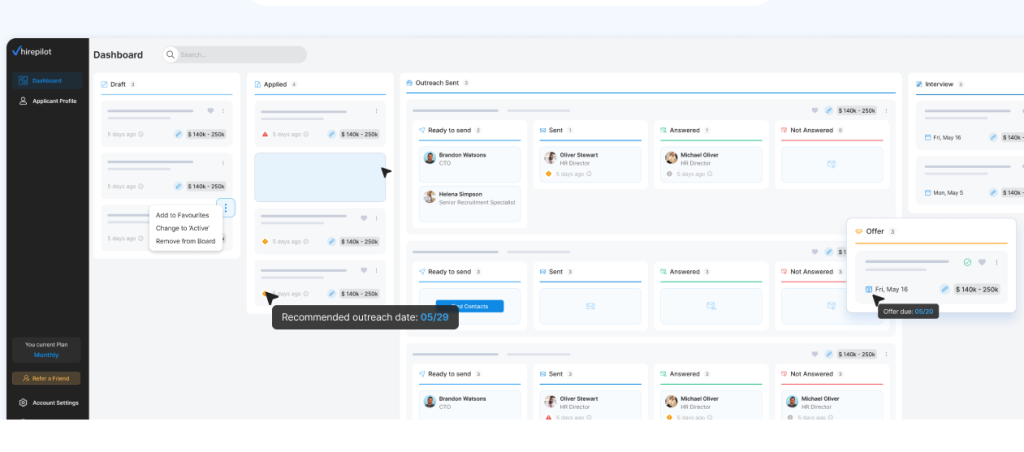
One powerful way to take control is to leverage modern tools and support. Remember those tedious tasks and long waits we discussed? There are new solutions to ease those pain points. For example, using the right job search tools can significantly speed up your progress. This is where a service like HirePilot comes in. If you haven’t heard of it, HirePilot is an AI-powered platform designed to make your job hunt smarter and faster. It helps automate repetitive tasks, like filling out applications, and it keeps track of all your applications in one place so you’ll never lose track of where you applied. More importantly, HirePilot actually helps you reach real decision-makers. It can find hiring managers’ contacts and even assist in drafting personalized outreach messages, taking a lot of the guesswork out of networking. Essentially, it’s like having a job search co-pilot to ensure nothing falls through the cracks while you focus on putting your best foot forward.
If you are ready to streamline your workflow and find your next role with less stress, we are here to help. You can start exploring our tools for free today to see how automated tracking and smarter outreach can change your search. We are rooting for you to land that perfect role