

Navigating the modern job market requires a strategic approach. This guide offers proven methods to enhance your job search and land a job in 2026, with a focus on leveraging LinkedIn and other key job boards. For the Best Job Search, stay updated with the latest trends.
Understanding the job search landscape in 2026
Current trends in job seeking
Implementing these strategies is crucial for the Best Job Search in today’s competitive environment.
The job market is constantly evolving. In 2026, there is increasing reliance on digital platforms for recruitment. Remote jobs are more prevalent, and job seekers are leveraging sites like LinkedIn to find job opportunities. Job boards now use AI to match candidates with the right roles, and recruiters are utilizing advanced tools to filter applicants before any human review. As a result, your approach must be both data-driven and precise to succeed.
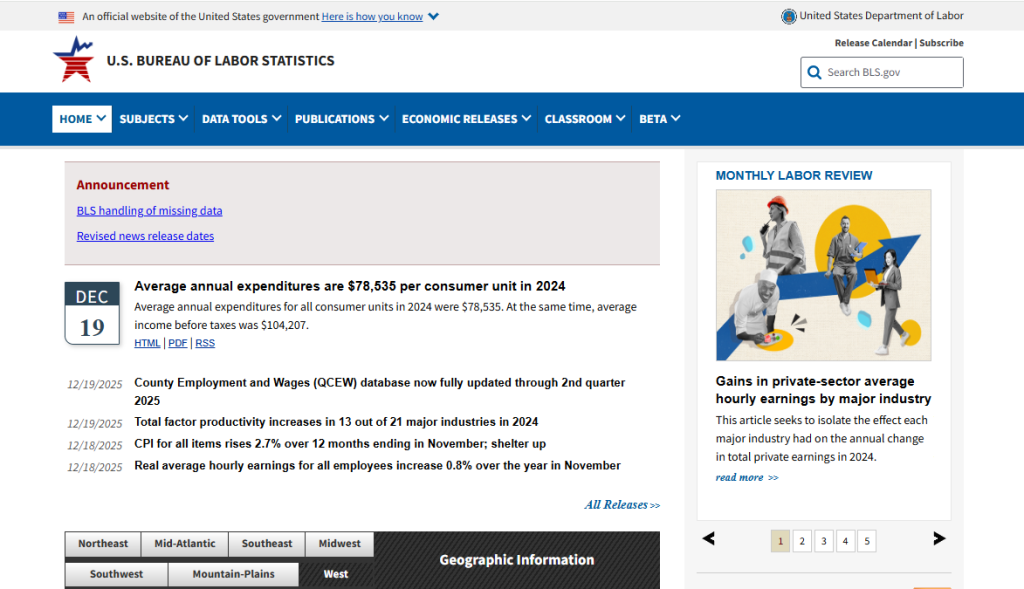
Resources like the U.S. Bureau of Labor Statistics can offer additional insights into these trends and how they shape your strategy.
Challenges faced by job seekers
Despite the abundance of job postings, job seekers face significant challenges. Competition for each available job is fierce, and many job applications disappear into applicant tracking systems (ATS). Standing out requires a compelling resume and cover letter tailored for each specific opportunity. Low response rates are common, often due to resumes that aren’t optimized for the right keywords.
One of the biggest hurdles is the “resume black hole”, that feeling when you submit an application and never hear back. This usually happens when your resume misses essential keywords that the ATS is scanning for. Increasing your visibility can be achieved by reaching hiring managers directly with AI and bypassing traditional queues.
The importance of a tailored approach
A generic application approach delivers lackluster results. For the best job search, tailor your resume and cover letter to align closely with the job description. When you mirror the language used in the posting and highlight the key skills and qualifications, both the ATS and the recruiter recognize your fit. For those looking to streamline this step, the HirePilot application auto-fill allows you to quickly personalize every application without sacrificing quality.
The role of AI in job searching
How AI is changing the game
Artificial Intelligence is now a game-changer for job seekers. From resume optimization to predicting likely interview questions, AI gives you an edge in today’s market. The best job search incorporates AI to improve both efficiency and outcomes.
Think of AI as your job search co-pilot. It can analyze job descriptions and highlight missing keywords in your resume, help you draft engaging cover letters in seconds, and automate repetitive steps so you can focus on networking and preparing for interviews. Find powerful options in this list of the 10 best AI job search tools.
Using AI for smarter applications
Automation is one of AI’s greatest benefits. Auto-fill browser extensions can now complete applications with high accuracy, ensuring your data is consistent across multiple platforms and saving you valuable time.
AI can also help initiate more meaningful outreach by suggesting personalized icebreakers based on a hiring manager’s profile. Embedding your outreach in relevant conversation increases your response rates, a technique made possible by personalized AI recruiter outreach.
Leveraging LinkedIn for your job search
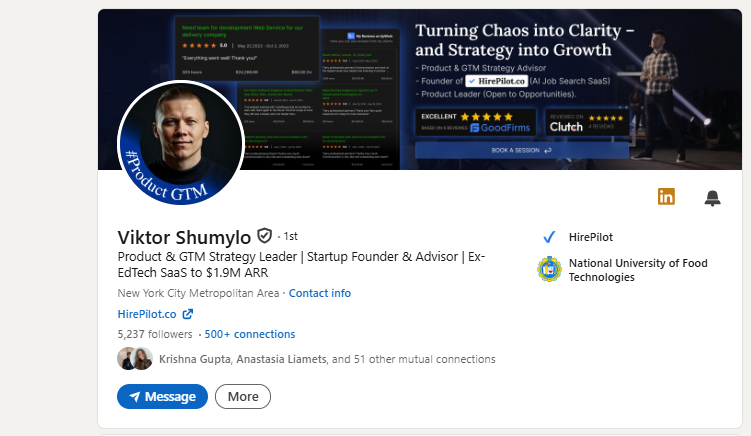
Creating a compelling LinkedIn profile
Your LinkedIn profile is your digital first impression. Highlight your most visible achievements, relevant skills, and career goals, using targeted keywords to lift your profile’s discoverability for the roles you want. Make sure to include a professional photo and a clear summary. Consider transforming a job title into a value proposition (for example, “Marketing Manager | Driving 30% Growth in SaaS Revenue”).
For more on the science of profile optimization, visit LinkedIn’s official guidance.
Networking strategies on LinkedIn
LinkedIn is a powerful social networking tool for building connections. Take advantage of:
- Participating in industry groups
- Engaging with relevant posts
- Reaching out to existing contacts for referrals
Networking significantly boosts your odds of discovering opportunities and earning referrals, as reflected by the statistic in LinkedIn’s 2025 Hiring Report: over 80% of jobs are filled through networking rather than direct applications. The importance of strong networking strategies can’t be overestimated.
Utilizing LinkedIn job features effectively
To take full advantage of LinkedIn, you can set job alerts, make use of “Easy Apply,” and display the “Open to Work” banner for recruiters. Leveraging features like LinkedIn Premium gives you insights into profile views and applicant competition. Utilizing the “people you know” function allows for warm introductions, which often outperform cold applications.
Exploring niche job boards
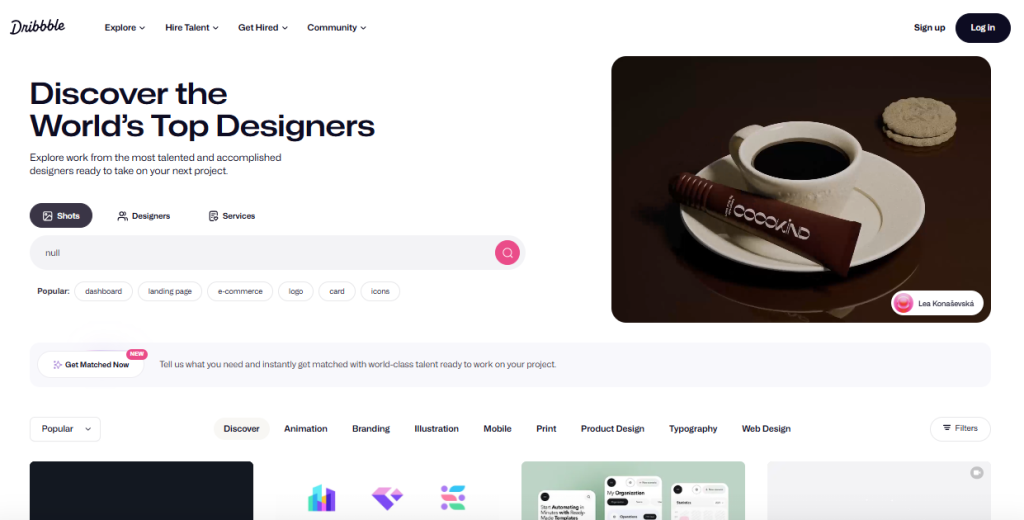
What are niche job boards?
Niche job boards focus on industry- or role-specific opportunities rather than casting a wide net, connecting employers and job seekers with highly relevant vacancies. Platforms like Dribbble (design), Stack Overflow (development), or Idealist (non-profit) help you cut through irrelevant listings and reach employers seeking your expertise. These boards deliver a higher ratio of qualified roles as you tailor your job application tips to targeted positions.
Top niche job boards to consider
Exploring niche boards like Dice for tech or Mediabistro for creative roles improves your odds of finding job board postings that align perfectly with your experience. You’ll face less competition than on mega-aggregators, and companies advertising here are usually more committed to hiring specialists. For more ideas, review the best job boards to find high-quality jobs online.
If you’re seeking global opportunities, reputable boards like Europe Language Jobs offer multilingual positions, while Global Jobs focuses on international development.
Comparing free vs. paid features
Free features typically let you search jobs and submit resumes, while paid extras (like enhanced profiles or direct recruiter messaging) offer added visibility. Investing in a premium membership can rapidly pay off by pushing your application to the top or granting access to unlisted opportunities.
Finding remote work opportunities
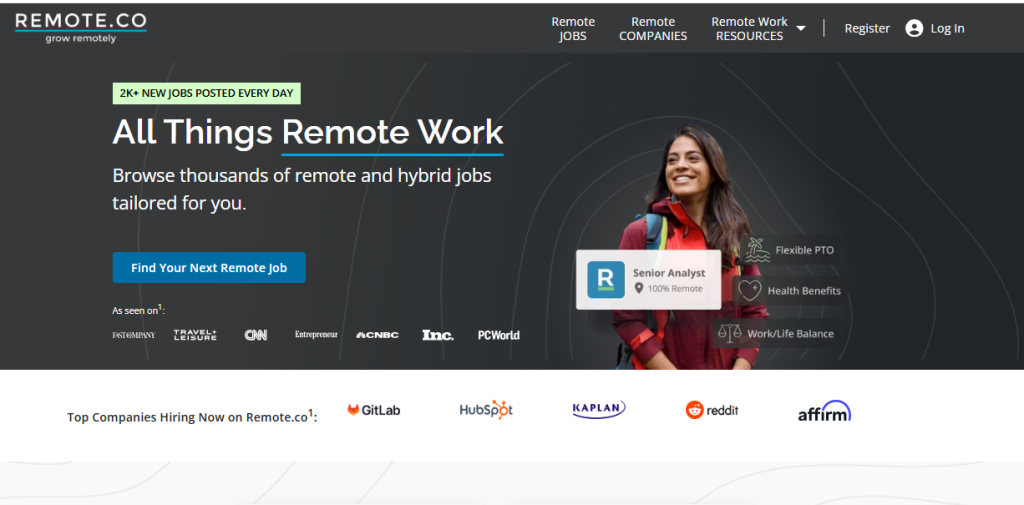
Benefits of remote work platforms
Remote work has broken geographical barriers, opening new opportunities and encouraging companies to hire beyond their local markets. These platforms deliver flexibility and work-life balance, and expand your access to roles aligning with your skills and lifestyle. Apply directly from home and keep an eye out for remote-only listings on both general and niche boards, maximizing your access to remote job opportunities globally.
Further data and studies are available at Pew Research Center and Remote.co.
Best platforms for remote job listings
Specialist platforms such as Remote.co, We Work Remotely, and FlexJobs are leaders in remote listings, with LinkedIn also aggregating work-from-anywhere opportunities. Using these alongside the right keywords in your search helps you surface the roles you want.
A recent FlexJobs survey found 58% of workers view remote work options as a top priority, reflecting wide adoption across industries.
Tips for applying to remote jobs
When applying for remote jobs, clearly demonstrate autonomy, communication skills, and experience collaborating virtually through platforms such as Slack, Zoom, and Asana. Use specific examples that show your independence and organizational skills, a must for employers who need candidates they can trust to manage themselves and deliver from afar.
How to build a personal brand online
Why personal branding matters
In a competitive landscape, a strong personal brand is your edge. It establishes your reputation and can even attract recruiters to you. Consistent sharing, thought leadership, and authentic engagement across LinkedIn and other platforms ensures you’re seen as an authority, not just another applicant.
Steps to build your brand
Audit your online presence and start adding value to your network by sharing insights on current trends, project lessons, or helpful summaries. Aim to post regularly, be authentic about your career journey, and create space for conversation. If you’re rebuilding confidence, strategies from HirePilot’s tips on overcoming rejection can help kickstart your presence.
Showcasing your portfolio
Back up your branding with proof: a digital portfolio or personal website for your work. Use your LinkedIn summary as a gateway to your best projects, writing, or code and supply links throughout your profile.
Perfecting your resume and application
Key components of an effective resume
For a successful job search, your resume should be tailored specifically for each role, using role-specific keywords, highlighting major wins, and presenting information in a clean, scannable format. Structure and keyword optimization are critical for passing the ATS and impressing recruiters. Examples and further job application tips for beating ATS filters are embedded in this guide to resume keywords and examples.
Writing a cover letter that stands out
A compelling cover letter does more than summarize your resume; it highlights your story and passion, connects your background to the job requirements, and expresses genuine enthusiasm for the role. Using tangible anecdotes or notable accomplishments makes your application memorable.
Common ATS issues and how to avoid them
ATS filters eliminate many applicants before a human review. Avoid creative headers/footers and stick to widely supported fonts like Calibri or Arial. Place contact information in the main body. For a deeper understanding of these systems, try this guide to tracking systems.
Real-life job search success stories
Examples of successful job seekers
Stories abound of professionals landing interviews by leveraging AI, tracking applications with purpose-built tools, or building relationships online. A marketing professional found success tracking fifty applications a week, while a developer secured an interview by engaging leadership on Twitter (X).
Lessons learned from their experiences
Networking, customization, and perseverance are recurring themes among success stories. Organization is another key factor, effective use of a job application tracker keeps your momentum up and ensures you never miss an opportunity.
Applying their strategies to your search
By applying tailored resume and cover letter strategies, leveraging LinkedIn for networking, and focusing on the most relevant job boards, job seekers can drastically improve their chances of a quick, successful placement.
Overcoming job search anxiety
Acknowledging the stress
Job searching is stressful, acknowledging this is the first step. The uncertainty of timelines and outcomes can create anxiety, but with the right strategies, you can keep your motivation strong while protecting your mental health. .
Strategies for mental resilience
- Set daily limits and structure
- Exercise regularly to lower stress
- Stay connected to supporters
- Celebrate every small win
If nerves strike before an interview, check out these confidence methods.
The power of community
Being part of a community, through platforms like Meetup, Reddit’s r/jobs, or local support groups, can reduce feelings of isolation, offer valuable accountability, and connect you to shared wisdom.
Actionable tips for navigating the job market
How to increase your response rates
Tailor every application, highlight skills, and leverage LinkedIn to connect with recruiters. Don’t wait, send a follow-up email after applying to keep your name in circulation. If you need help crafting your message, see templates for following up on applications.
Standing out in a competitive job market
Differentiation comes from a strong online presence, concise applications, and strategic use of video, such as an introductory message via LinkedIn. Leveraging unique skills and thoughtful engagement amps up your profile.
Maintaining motivation during your search
Stay motivated by focusing on inputs, like applications sent and new connections made, rather than only counting job offers. Celebrate each milestone, and remember that every “no” moves you closer to a “yes.”
For long-term perspective, consult summaries from Harvard Business Review on resilience and job search mindset.
FAQ: Best job search: find jobs on LinkedIn & more
1. What is the best job search strategy in 2026?
The best job search strategy in 2026 involves a multi-faceted approach that combines tailored applications, strategic networking, and leveraging technology. Start by customizing your resume and cover letter for each job application, ensuring they align with the job description and include relevant keywords to pass ATS filters. Networking on LinkedIn is crucial, connecting with industry professionals, joining relevant groups, and engaging with content to increase visibility. Use niche job boards for targeted opportunities in your field, as they often have less competition and more relevant roles. Additionally, automate repetitive tasks like filling out applications or tracking submissions using AI tools. This not only saves time but also ensures accuracy and consistency across applications. Finally, stay organized with a job application tracker to monitor your progress and follow up effectively.
2. How can I use LinkedIn to get a job?
LinkedIn is a powerful tool for job seekers when used strategically. Start by optimizing your profile with relevant keywords that match your desired roles. Your headline should reflect your career goals and value proposition, while your summary should highlight your skills, accomplishments, and aspirations. Expand your network by connecting with colleagues, industry leaders, and recruiters. Engage with content by liking, commenting, and sharing posts to stay active and visible. Use the “Jobs” tab to search for opportunities and set up job alerts for roles that match your profile. The Easy Apply feature simplifies the application process, but make sure your LinkedIn profile is polished, as it often serves as your resume. Additionally, leverage LinkedIn Premium to gain insights into who’s viewing your profile and how you compare to other applicants.
3. Are niche job boards better than general job boards?
For specialized roles, niche job boards are often more effective than general ones. These platforms cater to specific industries, skills, or job types, making it easier to find opportunities that align with your expertise. For example, Dice is ideal for tech professionals, while Mediabistro focuses on media and creative roles. Niche boards typically have fewer applicants per job posting, increasing your chances of standing out. They also allow you to tailor your applications more effectively, as the roles are often more specific. While general job boards like LinkedIn or Indeed offer a broader range of opportunities, niche boards provide a more targeted approach, saving you time and effort in your job search.
4. How do I prepare for a remote job interview?
Preparing for a remote job interview requires attention to both content and technical setup. Start by researching the company and role thoroughly, and practice answering common interview questions. Highlight your experience with remote work and tools like Slack, Zoom, or Asana, as employers want to see that you can thrive in a virtual environment. Test your video setup in advance, ensuring good lighting, clear audio, and a stable internet connection. Dress professionally, even if the interview is virtual, to make a strong impression. During the interview, demonstrate your self-motivation, time management skills, and ability to work independently. Share examples of how you’ve successfully collaborated with remote teams or managed projects across time zones.
5. What keywords should I use in my job search?
The keywords you use in your job search should mirror the language in job descriptions for roles you’re targeting. Focus on industry-specific terms, job titles, and required skills. For example, if a job posting emphasizes “project management” and “data analysis,” ensure these phrases appear in your resume and LinkedIn profile. Use action-oriented keywords like “developed,” “managed,” or “implemented” to describe your accomplishments. Additionally, include certifications, software proficiencies, and other technical skills relevant to your field. Keywords are crucial for passing ATS filters, so review each job description carefully and tailor your application to include the most frequently mentioned terms.
6. How can I track my applications effectively?
Tracking your job applications is essential for staying organized and maximizing your chances of success. Instead of using spreadsheets, opt for a dedicated job application tracker, like HirePilot. This tool allows you to save job details, set reminders for follow-ups, and monitor the status of each application. Look for features like contact management, which helps you keep track of recruiters or hiring managers you’ve reached out to. Some trackers also integrate with your email or calendar, making it easier to schedule interviews and follow-ups. By staying organized, you can ensure no opportunity slips through the cracks and maintain a professional approach throughout your job search.
7. Is it worth messaging recruiters directly?
Yes, messaging recruiters directly can be highly effective if done correctly. Personalized outreach demonstrates initiative and shows that you’re genuinely interested in a specific role. Start by researching the recruiter or hiring manager on LinkedIn to understand their background and connection to the role. Craft a polite, concise message that highlights your qualifications and explains why you’re a great fit for the position. Avoid generic messages; instead, reference the job title or company to make your outreach more relevant. While not every recruiter will respond, those who do are more likely to give your application a closer look. Direct messaging can also help you bypass ATS filters and establish a personal connection with decision-makers.
Stay ahead in your job search
The job market moves quickly, and the candidates who land the best roles are those who act with clarity, confidence, and organization.
Want more proven strategies and insider tips to land your next role faster?
Stay with HirePilot. We are here to empower your journey from application to offer letter. Take control of your career today.