


You open LinkedIn. Then Indeed. Then a company career page someone shared on Reddit. Then back to LinkedIn because the filters feel better there. Somewhere in all of it you apply to eight roles, add three to a spreadsheet you have not opened in five days, and lose track of which ones need a follow-up.
That is not a motivation problem. That is a systems problem. And the first part of fixing it is knowing which of the top job boards are actually worth your time, and what each one is built to do.
Not every job search website works the same way. Some surface direct employer listings faster than anything else. Some are where recruiters spend their mornings. Some are built entirely for a specific career stage or industry. Using all of them the same way is like using every tool in a toolbox to drive a nail: you will eventually get it done, but the process will be exhausting.
This guide covers the top job board sites worth using, who each one is actually built for, where each one falls short, and how to combine them into a search that moves forward instead of spinning in circles.
What the best job search engines have in common
Before the list, it helps to understand what separates a strong job board from a forgettable one. The best job search engines tend to do at least one of the following well:
- Surface fresh listings from direct employer sources, not just aggregated copies
- Attract active recruiter and hiring manager activity
- Offer meaningful targeting by industry, experience level, or work model
- Reduce friction between finding a role and applying to it
- Provide salary, culture, or interview transparency that helps you decide faster
No single platform does all of this equally well. That gap is why a focused stack of two to four boards outperforms any one tool on its own, every time.
Quick comparison: top job boards at a glance
| Job board | Best for | Key strength | Main limitation |
|---|---|---|---|
| Google Jobs | Almost everyone | Direct employer listings | Requires intentional search behavior |
| Professionals and networking-heavy roles | Recruiter visibility and networking | High competition | |
| Indeed | High-volume general search | Massive listing volume | Lower signal-to-noise ratio |
| Glassdoor | Research-driven candidates | Salary, reviews, interview insights | Best used with another board |
| Wellfound | Startup candidates | Direct access to startup teams | Narrower audience |
| Handshake | Students and new grads | Early-career recruiting ecosystem | Limited outside student market |
| ZipRecruiter | Fast, mobile-first applications | Strong alerts and matching | Lower response rate |
| FlexJobs | Remote and flexible work seekers | Curated remote and hybrid roles | Paid access |
| GovernmentJobs.com | Public sector candidates | Strong fit for government roles | Not relevant for private sector |
| HirePilot | Job seekers who want one organized system | Job board + autofill + tracker + outreach in one place | Newer platform, growing listing base |
The top job boards in detail
1. Google Jobs
Best for: Nearly every type of job seeker
Google Jobs is one of the most underrated tools in a modern job search. It is not a traditional job board. It is an aggregator that pulls listings directly from company career pages and across the web. That matters because it often helps you find direct-apply opportunities without going through a platform's own algorithm first.
Why it stands out:
- Broad coverage across industries and job levels
- Can surface listings straight from employer career sites
- Strong filtering by date posted, location, and work model
- Especially useful for finding fresh listings quickly before they get buried
According to Huntr's analysis of 600,000 job applications, Google Jobs had the highest employer response rate among major platforms at 11.29%.
Best use case: Use Google Jobs when you want to cast a wide net but still prioritize direct employer applications over third-party aggregated listings.
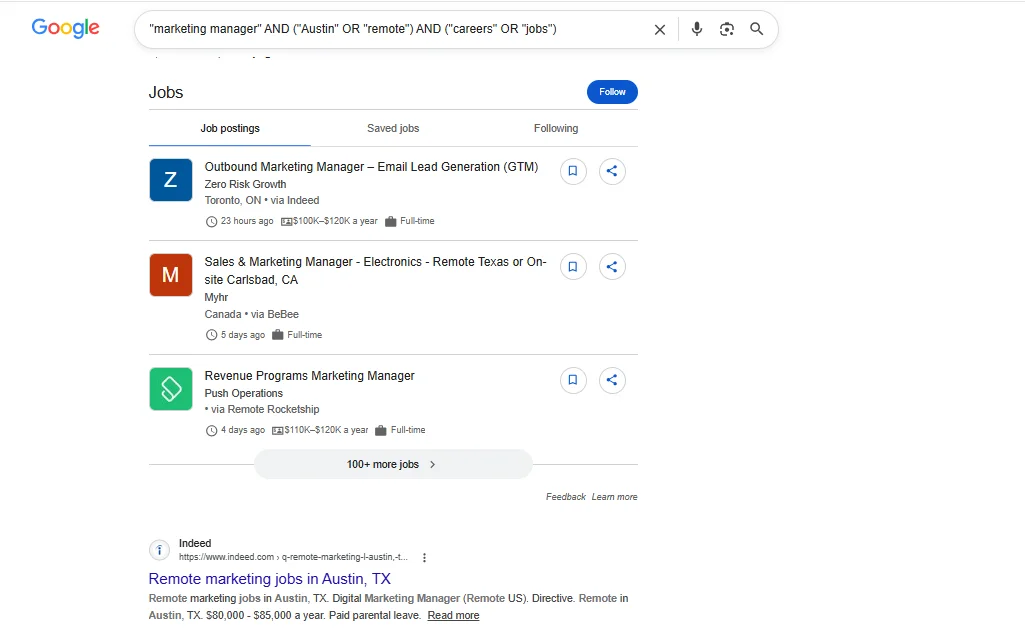
Pro tip: Boolean-style search phrases work well here. Searching "marketing manager" AND ("Austin" OR "remote") AND ("careers" OR "jobs") can surface listings that never gain traction on crowded mainstream boards.
2. LinkedIn
Best for: Mid-career professionals, corporate roles, and networking-led searches
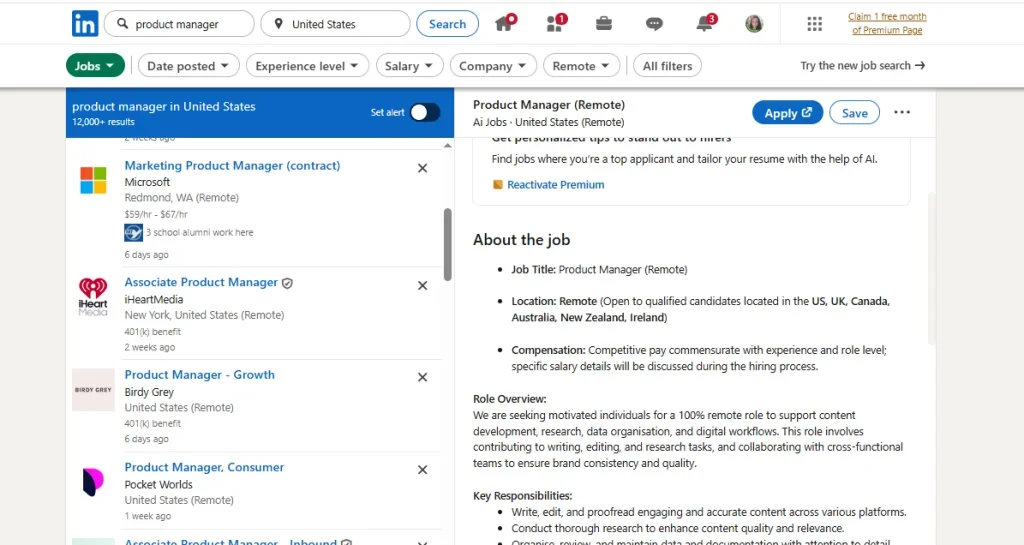
LinkedIn is still essential, but not primarily because of its job listings. Its real power is that it combines jobs, recruiter activity, personal branding, and warm networking in one place. Recruiters actively search LinkedIn profiles. Hiring managers often check your presence before responding to an application.
Why it stands out:
- Recruiters actively search and source candidates directly from profiles
- Lets you identify the actual hiring manager and team behind a role
- Makes it easier to connect before or after applying
- Strong for professional and white-collar roles across most industries
Where candidates go wrong: Too many people rely exclusively on Easy Apply and treat LinkedIn like a numbers game. That approach generates a lot of activity and very few conversations.
Better strategy: Use LinkedIn to discover the role, research the hiring team, apply quickly, then follow up with a short personalized message. That sequence outperforms 30 blind applications.
This is where having your applications organized matters. If you are tracking a dozen active conversations across LinkedIn and other job search websites, a tool like HirePilot's job tracker keeps your pipeline clean so nothing slips through.
3. Indeed
Best for: General job seekers, local roles, administrative work, customer support, operations, and high-volume search
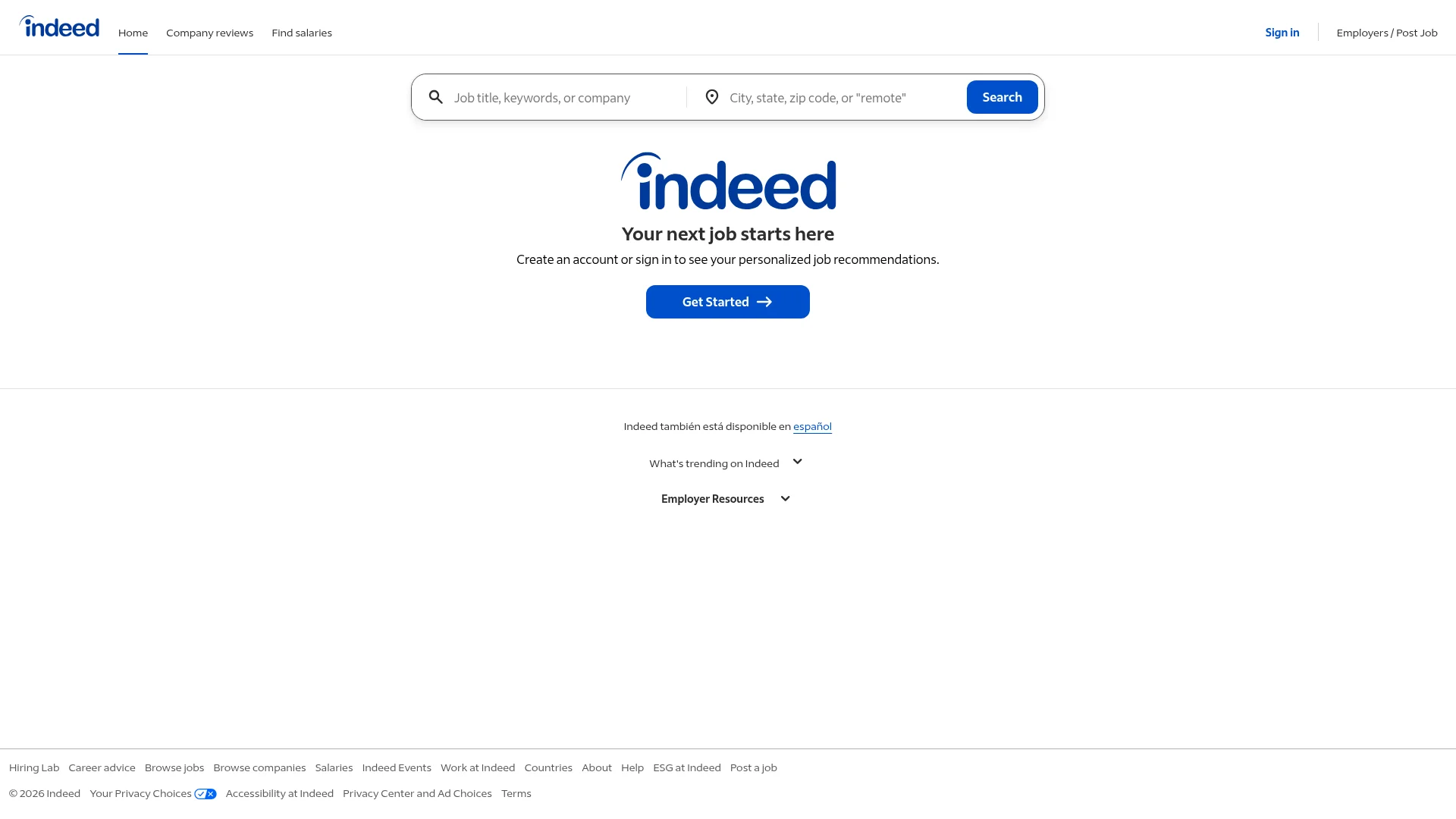
Indeed remains one of the biggest sources of listings. If your goal is volume, it is hard to ignore.
Why it stands out:
- Massive database of listings across virtually every category
- Strong filters by date, salary estimate, and job type
- Helpful for local and generalist roles
- Easy to set alerts and apply quickly
What to watch out for: Because the volume is so high, quality varies. You will encounter duplicate listings, outdated posts, and roles that already have hundreds of applicants. Indeed works best as one channel in a larger system, not the whole thing.
Best use case: Broad market scanning, local opportunities, and entry-level to mid-level generalist roles. Do not let it become your only job search website.
4. Glassdoor
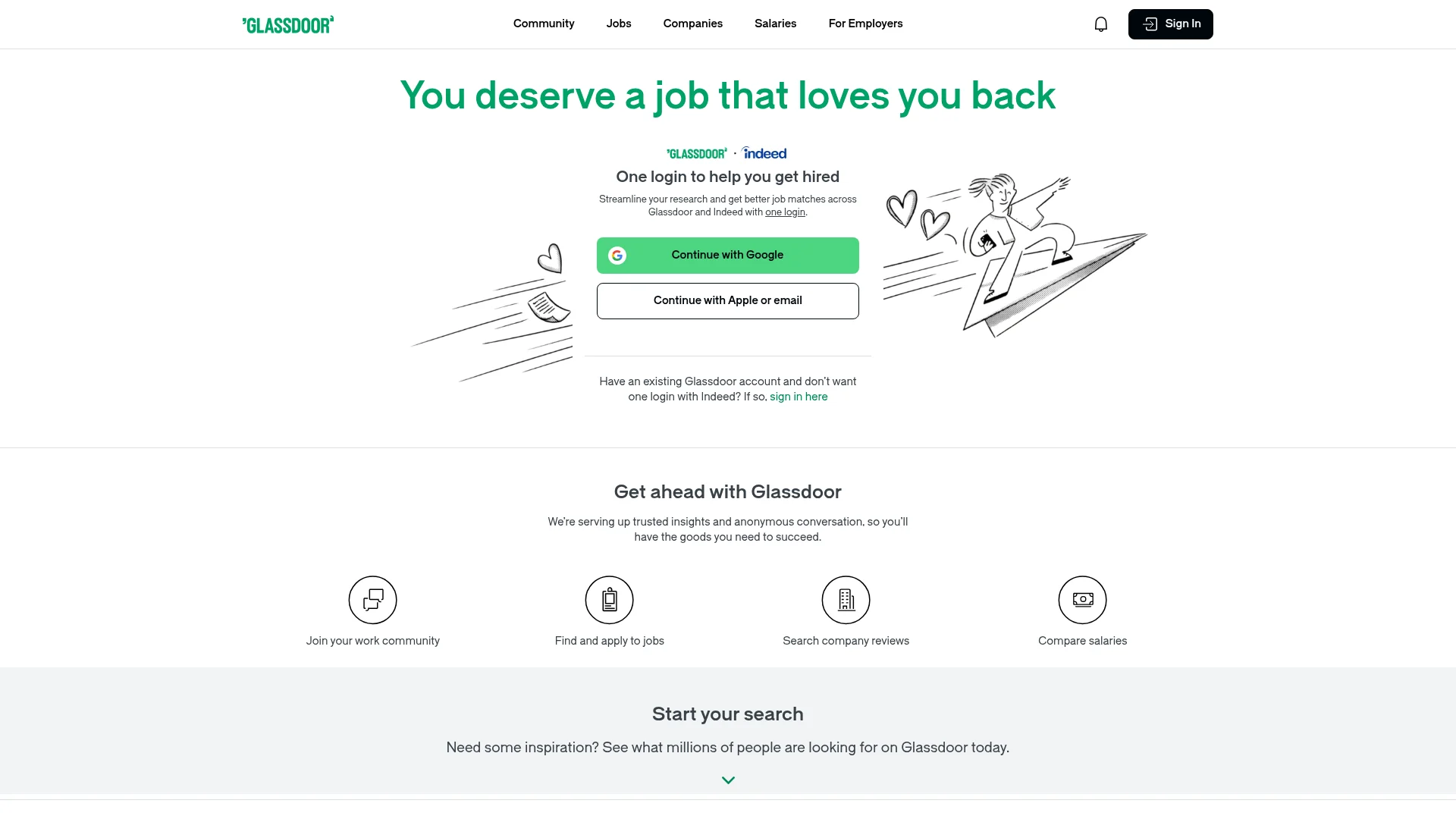
Best for: Candidates who care about compensation, company reputation, and interview preparation
Glassdoor is less about discovery and more about decision-making. It helps you understand whether a company is worth your time before you invest energy in interviews.
Why it stands out:
- Company reviews from current and former employees
- Salary insights by title and location
- Interview reviews and common question reports
- Helpful for offer evaluation and negotiation preparation
Best use case: Use Glassdoor after finding a role on another board. It is a strong validation layer before applying or interviewing, not a starting point for discovery.
Smart workflow: Find the role on Google Jobs, LinkedIn, or Indeed. Then open Glassdoor to check salary expectations, flag red flags in recent reviews, understand interview difficulty, and read patterns about leadership and culture.
5. Wellfound
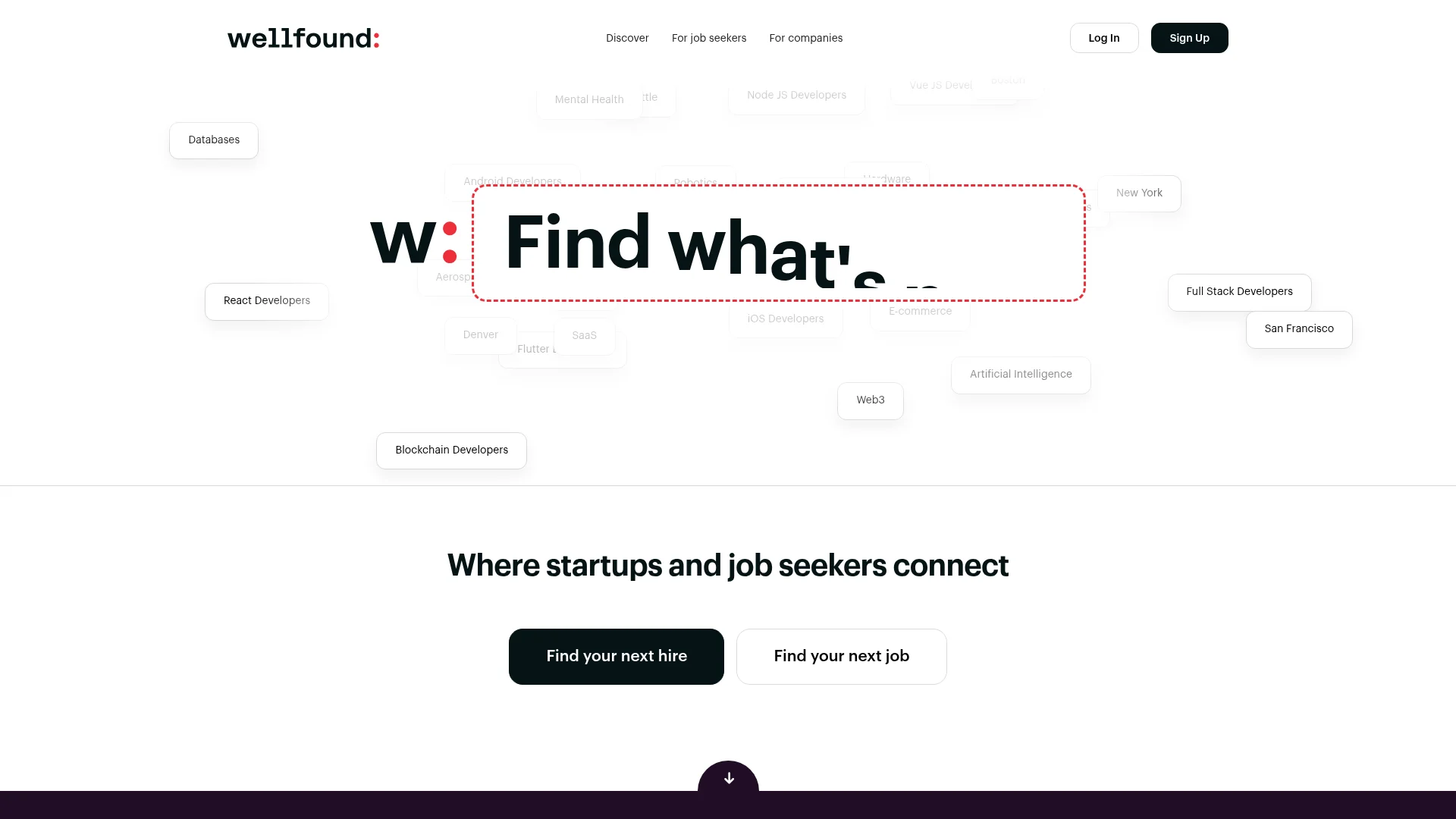
Best for: Startup job seekers, tech talent, product, design, and operator roles
Wellfound remains one of the best top job board sites for startup opportunities. If you want smaller teams, mission-driven companies, or roles with equity potential, it deserves a place in your stack.
Why it stands out:
- Startup-specific platform built for founders and lean hiring teams
- Often includes salary and equity transparency upfront
- Strong fit for product, engineering, growth, and design roles
- More direct access than most corporate-facing boards
Best use case: Use Wellfound if you want early-stage startup roles, more direct applications, and less corporate process.
Candidate tip: Do not treat startup applications casually. Smaller teams read your answers closely. Tailor your "why this company" response every time.
6. Handshake
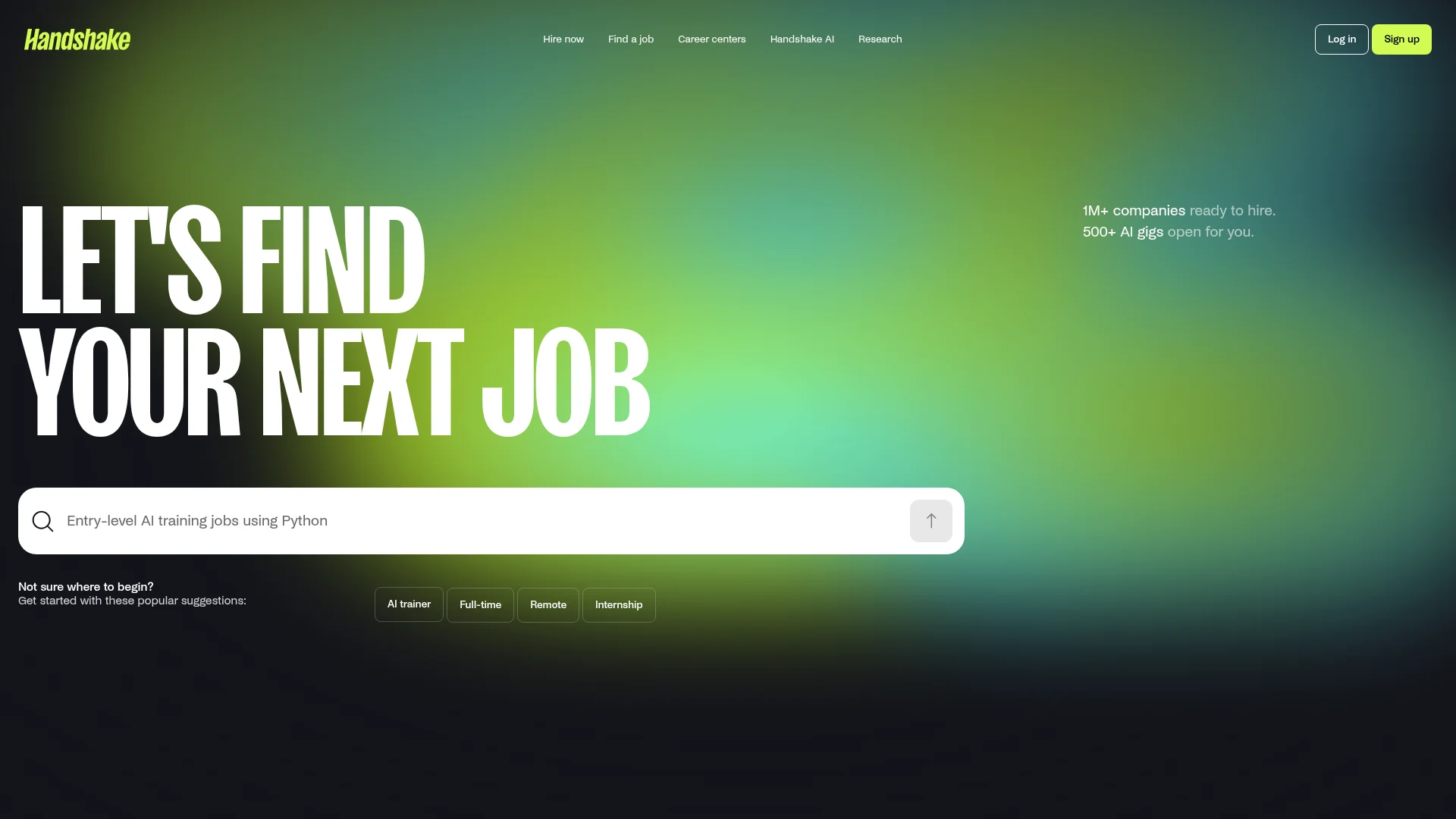
Best for: Students, recent graduates, internships, and early-career roles
Handshake continues to be one of the strongest platforms for campus recruiting and early-career hiring. Employers on Handshake are specifically targeting students and new graduates, which means you are not competing against ten-year veterans for entry-level listings.
Why it stands out:
- Employers specifically targeting students and new grads
- High concentration of internship and entry-level roles
- University-affiliated recruiting ecosystem with career fairs and events
- Strong for rotational programs and analyst pipelines
Best use case: If you are in school or recently graduated, Handshake should be one of your primary platforms, not an afterthought. It is especially useful during internship cycles and early-career recruiting seasons.
7. ZipRecruiter
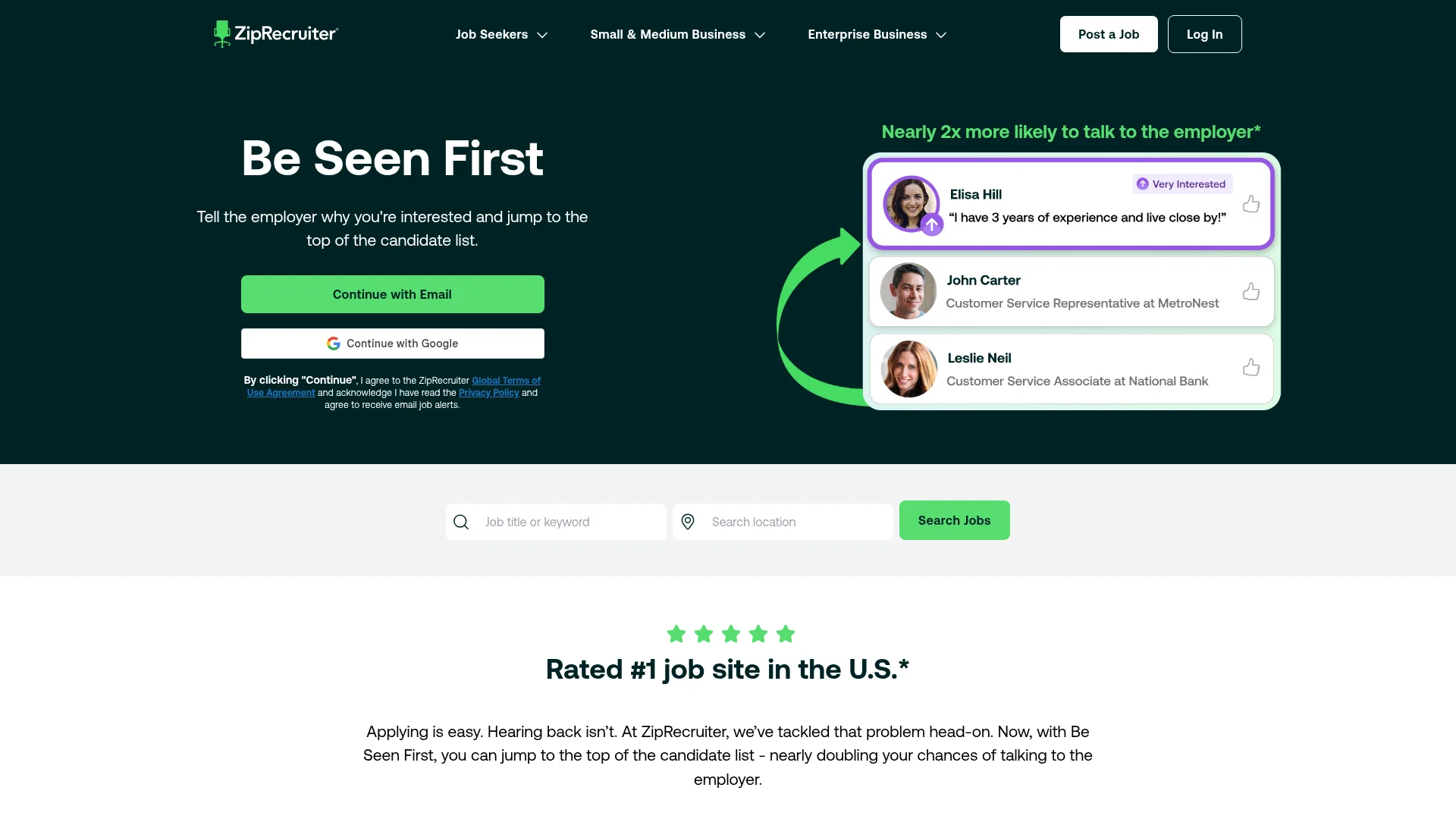
Best for: Candidates who want speed and mobile convenience
ZipRecruiter is built for quick engagement. Its interface is simple, and it does a decent job of surfacing roles based on your profile. Employer invitations can also increase your visibility without extra effort on your end.
Why it stands out:
- Mobile-friendly experience designed for fast applications
- Matching and alerts reduce manual daily searching
- Employer invitations can increase your visibility in the candidate pool
Limitation: It tends to favor convenience over precision. That means it is useful for building momentum, but it should not replace more targeted channels for roles you care most about.
8. FlexJobs
Best for: Remote workers, hybrid seekers, freelancers, and flexible-schedule professionals
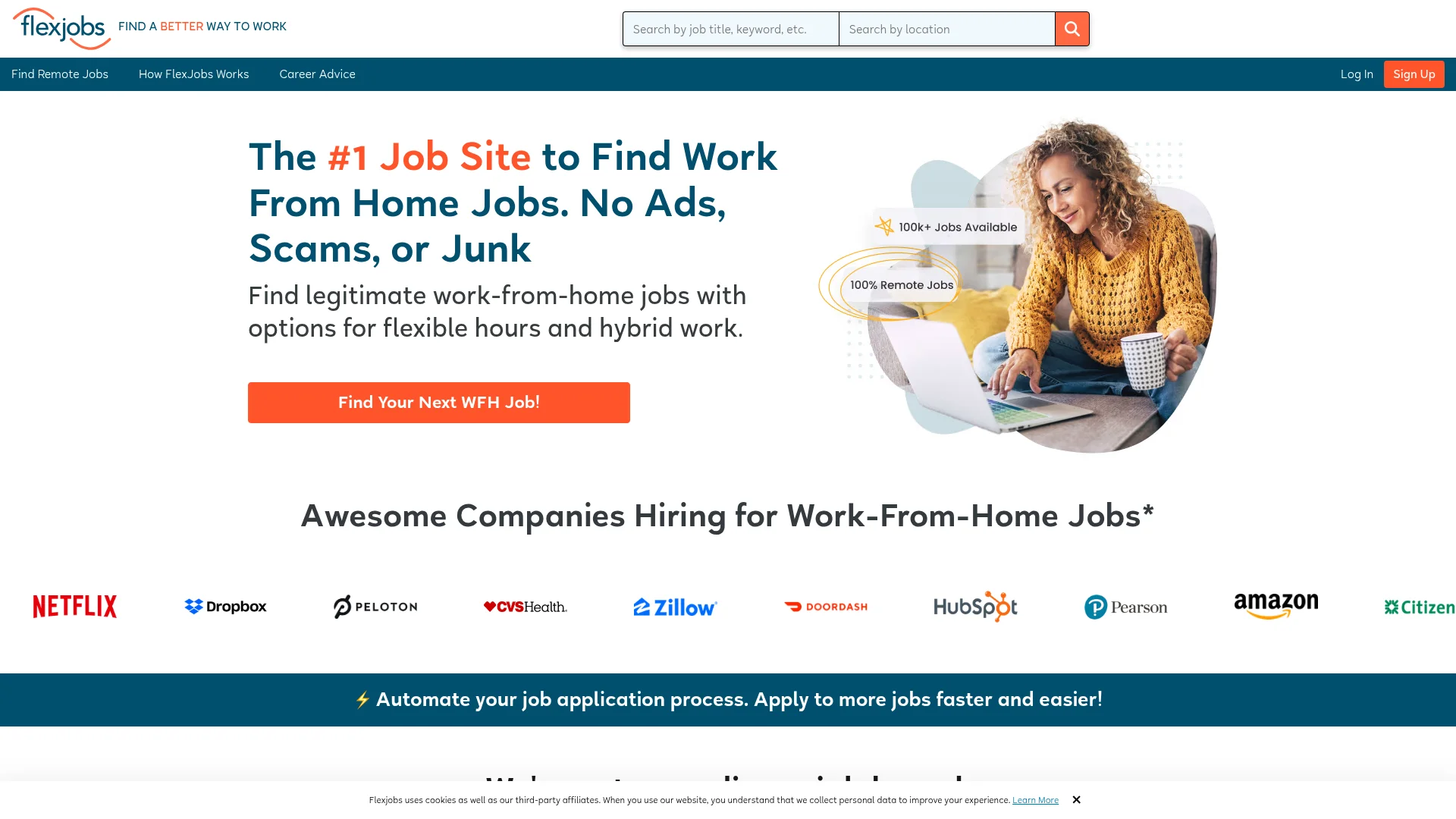
FlexJobs has built a strong reputation around curated remote and flexible work. In a market full of low-quality remote listings, that curation matters significantly.
Why it stands out:
- Focused specifically on remote, hybrid, and flexible roles
- More vetting than most open platforms
- Good fit for experienced professionals who need flexibility
- Covers full-time, part-time, and freelance work
Drawback: It is a paid service, so it makes the most sense if remote work is a firm requirement for your next role, not just a preference.
9. GovernmentJobs.com
Best for: Candidates pursuing public sector roles
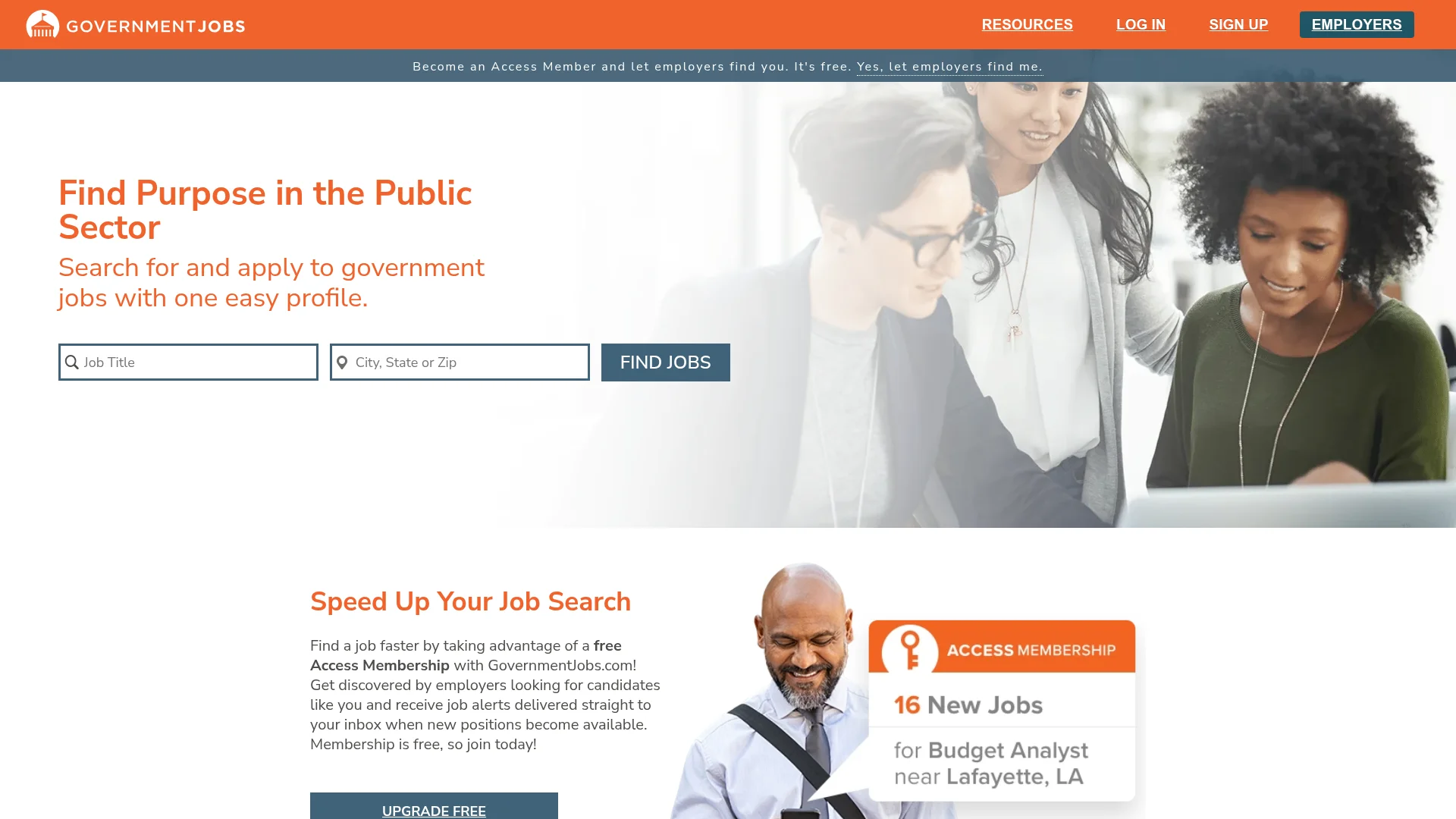
GovernmentJobs.com is a niche platform, but for the right person it is one of the best options available. If you are targeting municipal, state, or public agency roles, this is where those listings live in a concentrated form.
Why it stands out:
- Strong fit for city, county, and public agency roles
- Less direct competition from generalist job seekers
- High relevance for stable, process-driven careers in public service
Best use case: City and county jobs, public administration, compliance, planning, public works, and civil service. For private sector candidates, this board has little relevance.
10. HirePilot
Best for: Job seekers who want to search, track, apply, and follow up without switching between tools
Most job boards solve one problem: finding listings. HirePilot solves the four problems that come after.
The typical search involves jumping between LinkedIn, Indeed, a company career page, a spreadsheet, and your email inbox, all to manage a single application. By the time you are running ten active applications that friction compounds fast. Things fall through. Follow-ups get missed. Roles you were excited about go cold because you forgot to act.
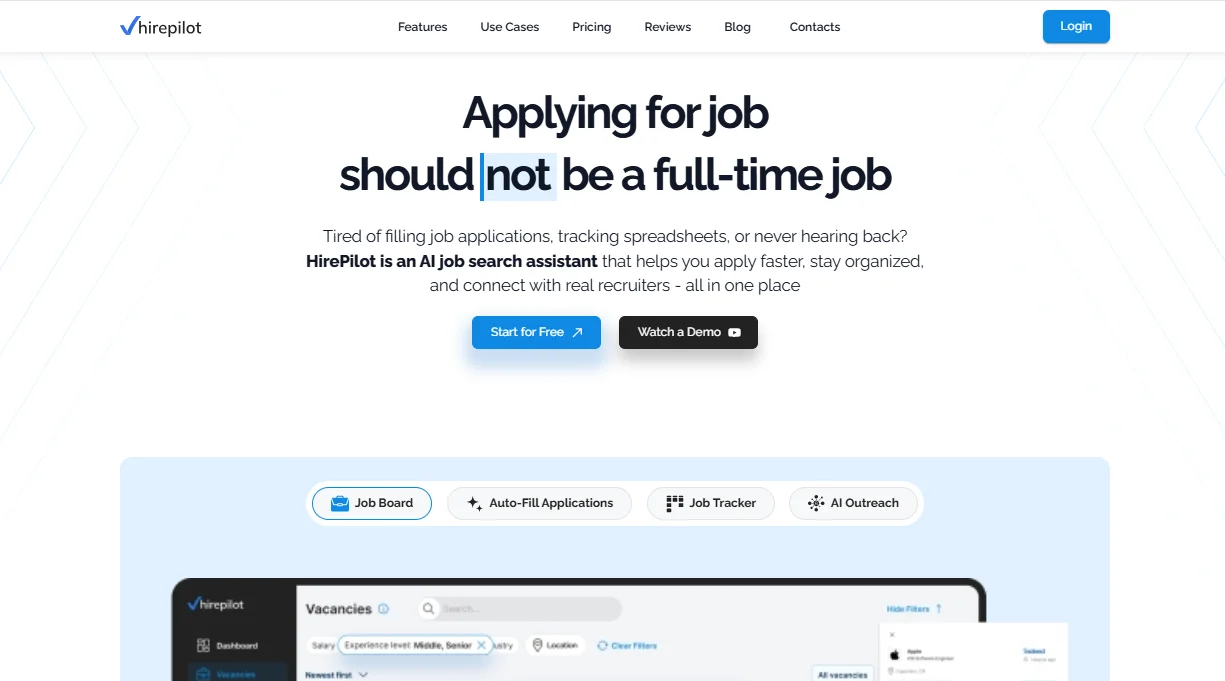
HirePilot starts with its own built-in job board. Inside the platform you can browse vacancies filtered by salary, job type, workspace type, industry, and location. When you find a role worth pursuing, you save it directly to your dashboard and it lands in your tracker automatically. No copy-pasting. No separate spreadsheet.
From there, the workflow continues in the same place:
- 1-click autofill via browser extension fills application forms on LinkedIn Easy Apply, Indeed, Workday, and company sites. What used to take 20 minutes per application takes seconds
- Kanban-style job tracker keeps every application organized by stage: applied, in review, interview, offer. Every role has notes, reminders, and status in one view
- AI outreach identifies the hiring manager behind a role and suggests a short personalized message you can send the same day you apply. Most candidates never do this. It is the step that moves you from a name in a database to a person someone remembers
Why it stands out:
- Combines discovery, autofill, tracking, and outreach in a single platform
- Removes the context-switching that slows most searches down
- Built specifically for job seekers, not recruiters or employers
- Free tier available with no time limit
Best use case: Use HirePilot if your current search involves too many open tabs, a neglected spreadsheet, and a growing list of applications you have lost track of. It works alongside other boards, not instead of them. Find roles on Google Jobs or LinkedIn, save them to HirePilot, apply with autofill, and follow up through outreach, all without leaving the platform.
The full job search workflow from discovery to offer is covered in one place.
The problem most job board guides never mention
Every roundup of recommended job search sites covers which platforms have the most listings. Almost none of them talk about the real reason most job searches stall.
The problem is not finding opportunities. There are plenty. The problem is that jobs are scattered across six platforms while your applications, notes, follow-ups, and recruiter contacts live somewhere else entirely. Usually in a spreadsheet that is already three weeks out of date.
When your search is fragmented, you apply to the same company twice. You forget to follow up on the role you actually wanted. You lose track of who responded and who went silent. That fragmentation creates more fatigue than rejection does.
The candidates who move fastest are not the ones applying to the most jobs. They are the ones who apply selectively, follow up consistently, and reach out directly to the people making hiring decisions.
That last part is where most job seekers leave the most on the table. Sending a short personalized message to the actual hiring manager the same day you apply changes your application from a name in a database to a person someone remembers. The process of reaching hiring managers directly feels difficult, so most candidates skip it. That is exactly why it works for the ones who do it.
How to choose the right boards for your situation
If you are a recent graduate: Handshake, LinkedIn, Google Jobs
If you are changing careers: LinkedIn, Indeed, Glassdoor, Google Jobs
If you want startup roles: Wellfound, LinkedIn, Google Jobs
If you want remote work: FlexJobs, LinkedIn, Google Jobs
If you want stability and public sector work: GovernmentJobs.com, LinkedIn, Glassdoor for research
Full stack by need:
| What you need | Best tool |
|---|---|
| Broad job discovery | Google Jobs, Indeed |
| Networking and recruiter visibility | |
| Salary and company research | Glassdoor |
| Startup roles | Wellfound |
| Early-career jobs | Handshake |
| Remote-focused search | FlexJobs |
| Public sector opportunities | GovernmentJobs.com |
| One place to search, apply, track, and follow up | HirePilot |
The last row is different from the others. Every board on this list helps you find jobs. HirePilot is the layer that connects what you find to what you do with it. Most searches fall apart not because of a shortage of listings but because the process of managing them is too scattered to sustain.
How to use job boards without burning out
Apply selectively, not randomly. A targeted search with 15 well-researched applications beats 100 generic submissions. Save the roles that actually fit and act fast on them.
Track everything. If you cannot answer "where did I apply, when, and what is the next step?" your process has gaps. Those gaps cost you follow-up opportunities on the roles you care most about. A structured job search strategy includes a tracking system, not just activity.
Follow up. One thoughtful message to a real hiring manager can outperform ten blind applications. Most candidates do not do this. That is exactly why it still works.
Reuse smartly. Tailor the key parts of each application, but build reusable materials so you are not rebuilding from scratch every single time.
Limit your stack. Three to four boards with clear and distinct roles will outperform eight platforms used randomly. Know what each one is for before you open it.
Final verdict: what are the top job boards?
If you want the short answer:
- Best overall: Google Jobs
- Best for professionals: LinkedIn
- Best for volume: Indeed
- Best for company research: Glassdoor
- Best for startups: Wellfound
- Best for students and grads: Handshake
- Best for remote work: FlexJobs
- Best for public sector: GovernmentJobs.com
- Best for managing the whole search in one place: HirePilot
But the smarter answer is this: no single job board is enough anymore. The winning approach is to combine the right boards with a process that keeps you organized, helps you move faster, and increases your visibility with real people, not just algorithms.
If you are tired of scattered tabs, repetitive form filling, and forgotten follow-ups, the full workflow from application to outreach is worth looking at.
FAQ: Top job boards
What are the top job boards right now?
The top job boards include Google Jobs, LinkedIn, Indeed, Glassdoor, Wellfound, Handshake, FlexJobs, GovernmentJobs.com, and HirePilot. The right choice depends on your goals, industry, experience level, and whether you value volume, networking, research, niche targeting, or a single platform that combines job discovery with autofill, tracking, and direct outreach to hiring managers.
What are the best job search websites for remote work?
FlexJobs is the strongest option for curated remote listings. LinkedIn and Google Jobs also surface many remote roles and are worth including in any remote-focused search.
Which job board has the highest success rate?
Based on large-scale application data, Google Jobs had the highest employer response rate among major platforms. However, success also depends on how quickly you apply, whether you follow up, and how targeted your search is overall.
What are the top job board sites for recent graduates?
Handshake is the strongest platform for students and new graduates because employers there specifically recruit early-career candidates. LinkedIn and Google Jobs complement it well for a broader search.
Are recommended job search sites free to use?
Most top job boards are free for job seekers. FlexJobs is a paid exception. LinkedIn has a free tier that works well for most searches.
What is the best job search engine for startup roles?
Wellfound is the top job board specifically for startup candidates. It gives direct access to founders and lean hiring teams, often with salary and equity transparency upfront.
How many job boards should I use at once?
Three to four boards with clear and distinct purposes is more effective than using many platforms at random. Define what each one is for in your stack, then stay consistent.
Is HirePilot a job board?
HirePilot includes a built-in job board where you can search and filter vacancies by salary, job type, workspace type, industry, and location. But it goes further than a standard board: when you save a role, it lands directly in your application tracker. From there you can autofill the application with one click and use AI-assisted outreach to contact the hiring manager the same day. It is designed to replace the spreadsheet-and-bookmarks workflow most job seekers default to.
What jobs are most in demand right now?
Demand remains strong for technology, healthcare, operations, skilled trades, data, cybersecurity, and public sector roles. Remote-friendly positions and roles connected to AI and digital transformation continue to grow.
Find your next job faster - without the chaos
Spend minutes, not hours, on applications. Stay organized, follow up confidently, and get noticed sooner.
Share this article

Viktor Shumylo
Viktor Shumylo is the co-founder of HirePilot, an AI-powered job search platform. He has 10+ years of experience building SaaS products and tools that help job seekers optimize resumes, streamline applications, and land interviews faster.
More articles by Viktor Shumylo