
Finding a great job today requires more than just sending your resume into the void. The most successful candidates are strategic, using targeted job boards where top employers actively seek individuals with your specific skills. Sending hundreds of applications without a plan is a recipe for burnout. It’s time to work smarter, not harder.
Here is our updated 2026 guide to the best job boards that deliver real results. In this comprehensive guide, we will break down the top platforms by category, allowing you to focus your energy where it matters most. Whether you are searching for remote work, freelance projects, tech positions, or executive-level roles, this list will provide the clarity you need to find your next opportunity and land it.
Why your choice of job board matters
In a competitive market, where you look for a job is just as important as how you apply. Different job boards cater to different industries, career levels, and work styles. A general-purpose site might have millions of listings, but a niche platform could have your dream job with far less competition. Using the right combination of boards saves you time, reduces frustration, and significantly increases your chances of connecting with the right hiring manager.
The modern job search is a numbers game, but it’s also about quality. The average job seeker sends out hundreds of applications to land a single role. By focusing on the best job boards for your field, you can improve your signal-to-noise ratio, ensuring your applications are seen by relevant decision-makers. This targeted approach, combined with powerful application tools, is the key to a faster, more effective job hunt.
The best general job boards
These are the giants of the job search world. They offer a massive volume of listings across nearly every industry and location. While they can feel overwhelming, their scale and advanced filtering capabilities make them an essential part of any comprehensive job search strategy. The key is to use their tools wisely to narrow down your search and find the roles that are the best fit for you.
1. LinkedIn
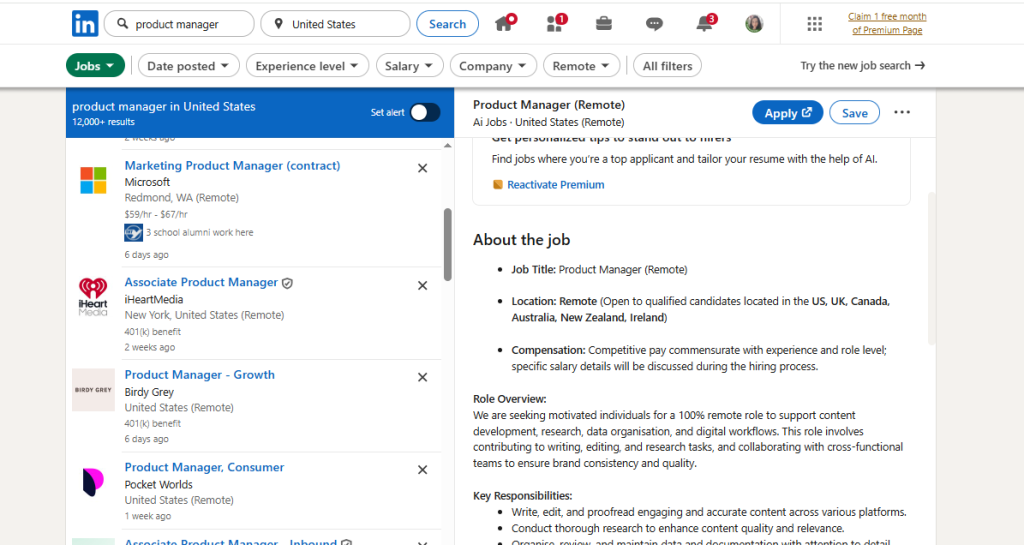
LinkedIn has evolved from a simple networking site into one of the most powerful job platforms available. It’s a dynamic ecosystem where your professional profile, network, and job applications coexist. You can filter jobs by location, remote options, experience level, salary, and more. What truly sets LinkedIn apart is its integration of networking and recruiting. Hiring managers can view your profile, see your connections, and reach out directly, making it a two-way street for opportunities.
Why it works for you:
- Direct outreach: You can apply for jobs directly through the platform or use it to find the hiring manager and send a personalized message. Learning how to reach hiring managers directly with AI can give you a significant advantage.
- Your profile is your resume: Your LinkedIn profile acts as a living resume, showcasing your experience, skills, recommendations, and portfolio. Keep it updated and optimized with relevant keywords.
- AI-powered recommendations: LinkedIn’s algorithm suggests jobs based on your profile, activity, and stated interests, bringing relevant opportunities directly to your feed.
To maximize your success, actively engage on the platform. Share industry articles, comment on posts from leaders in your field, and connect with professionals at companies you admire. This visibility can attract recruiters even when you’re not actively applying.
2. Indeed
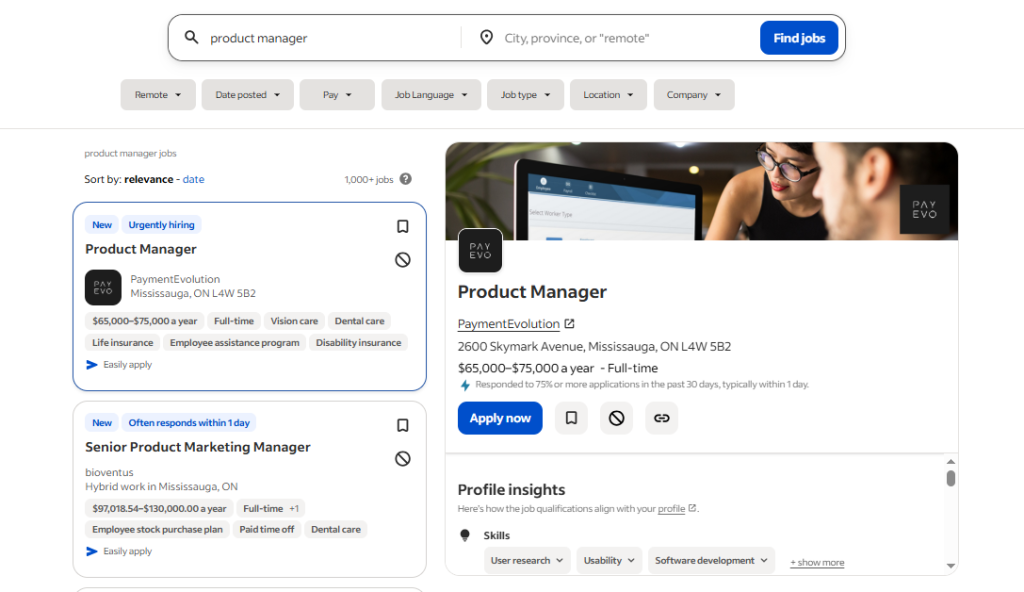
Indeed remains one of the largest and most popular job aggregators on the web. It pulls listings from thousands of company career pages, professional associations, and other job boards, making it an incredibly comprehensive resource. Its strength lies in its sheer volume, but this can also be a weakness if you don’t use its filters effectively. For high-volume searches, especially for entry-level to mid-career roles, Indeed is an indispensable tool.
Pro tip: Don’t just search; let the jobs come to you. Set up email alerts for specific job titles, keywords, and locations. This ensures you’re among the first to know when a relevant position is posted, which is a critical advantage in a competitive market. You can also upload your resume to allow employers to find you. Make sure your resume is optimized with keywords that match the roles you’re targeting.
3. Glassdoor
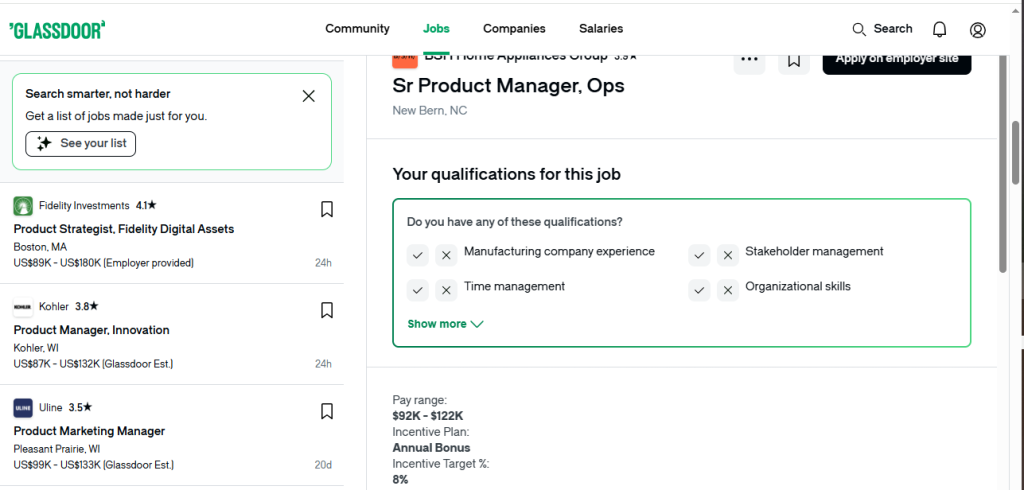
Glassdoor offers a unique two-for-one benefit: job listings combined with invaluable company intelligence. Before you even apply, you can access a treasure trove of information that a job description alone will never provide. Read anonymous reviews from current and former employees, check salary data for specific roles and companies, and get insights into a company’s culture, interview process, and leadership.
Why it’s so helpful: This insider information empowers you to make informed decisions. You can identify companies with a positive work environment and avoid those with red flags. Knowing the typical salary range for a role also gives you a significant advantage during salary negotiations. Using Glassdoor for research before an interview can help you ask intelligent questions and demonstrate your genuine interest in the company. For more advice on job seeking, the U.S. Bureau of Labor Statistics offers a helpful occupational outlook handbook.
The best remote job boards
The demand for remote work has permanently reshaped the job market. This has led to the rise of specialized remote job boards dedicated to connecting talented professionals with location-independent opportunities. These platforms are curated to feature roles from remote-first or remote-friendly companies, filtering out the noise of traditional job sites.
4. We Work Remotely
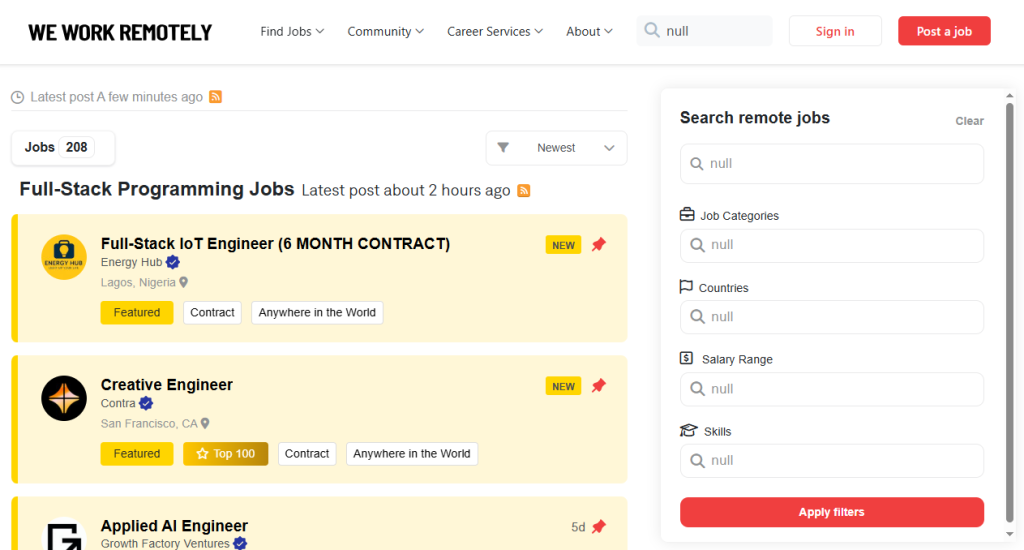
As one of the largest and most respected remote job communities, We Work Remotely is a top destination for anyone seeking a location-independent career. The jobs posted here span a wide range of categories, including software development, design, marketing, customer support, and management. The platform is known for its high-quality, legitimate listings from companies that truly embrace remote culture.
Highlights:
- No account needed: You can browse and apply for jobs without creating an account, making the process quick and seamless.
- Well-curated listings: The board is carefully moderated to eliminate spam and low-quality posts, so you can trust the opportunities you find.
- Global focus: It features jobs from companies all over the world, opening up a global talent market.
5. Remote OK
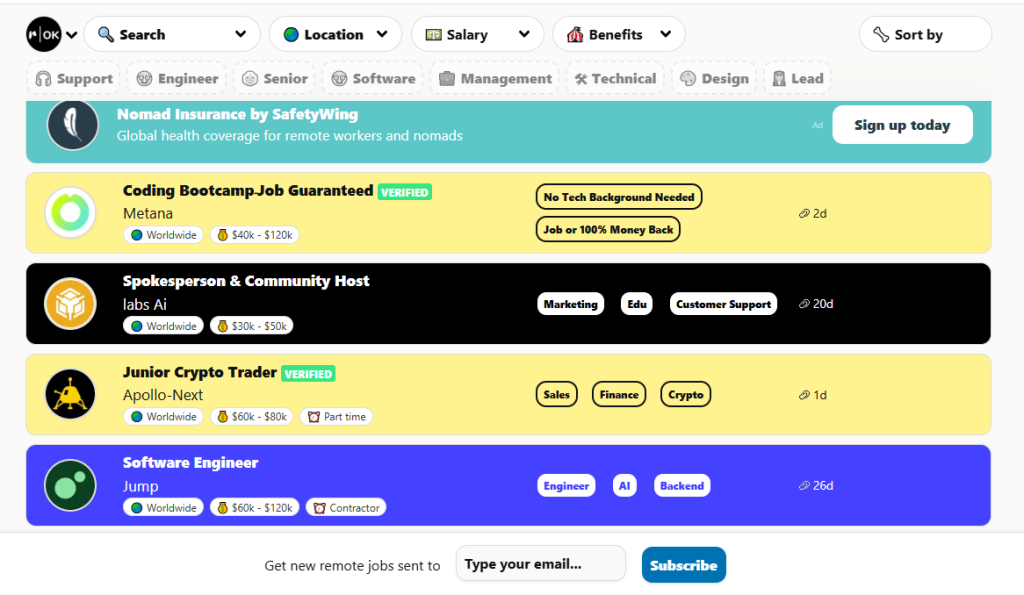
Remote OK has a strong focus on the tech industry but also features excellent opportunities for digital marketers, product managers, and customer success professionals. Its distinctive tagging system is a standout feature, allowing you to filter jobs by role, industry, or even specific tech stacks (e.g., React, Python, AWS). This level of detail makes it incredibly efficient for tech professionals to find roles that match their exact skill set.
Bonus feature: Remote OK often displays salary ranges directly on the listings, promoting pay transparency and helping you identify opportunities that meet your financial goals without having to guess.
6. FlexJobs
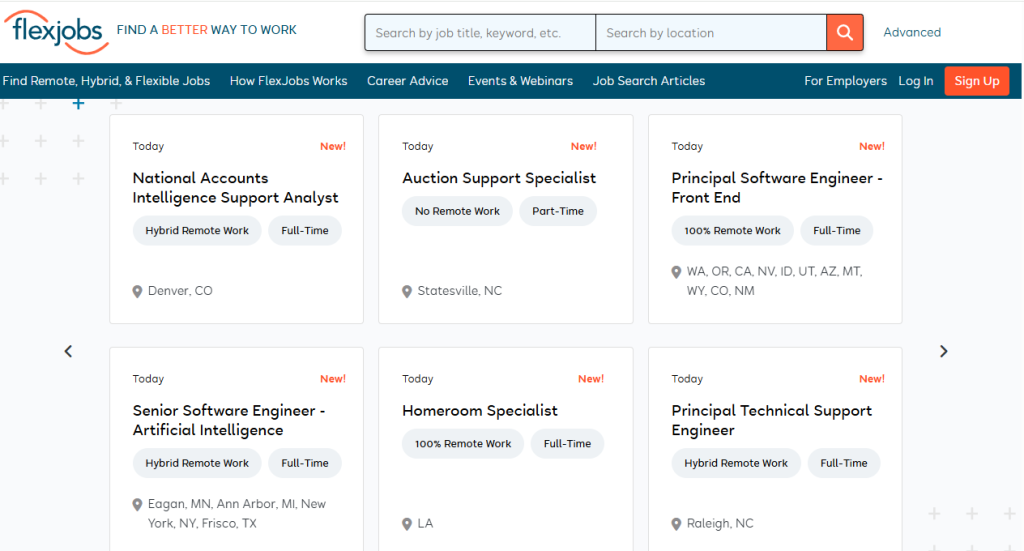
FlexJobs is a premium, subscription-based service, and for serious job seekers, it’s often worth the investment. The platform’s team manually vets every single job listing to ensure it is legitimate, professional, and offers some form of flexibility (remote, hybrid, or flexible schedule). This curation saves you countless hours you might otherwise spend sifting through scams or low-quality gigs on free sites.
Good for: FlexJobs is particularly beneficial for working parents, caregivers, digital nomads, and anyone prioritizing work-life balance. The platform also offers members skills tests, resume reviews, and career coaching resources, providing a comprehensive support system for your job search. If your job hunt is feeling overwhelming, it’s important to know how to rebuild confidence after constant rejections.
The best tech & startup job boards
The tech and startup world moves at lightning speed, and so does its job market. General job boards often can’t keep up. Specialized tech job boards are where you’ll find the most exciting opportunities, from early-stage startups building the next big thing to established tech giants looking for top-tier talent. These platforms understand the nuances of tech roles and connect you with companies that value your specific skills.
7. Wellfound (formerly AngelList Talent)
Wellfound is the premier job board for the startup ecosystem. It’s designed for those who thrive in fast-paced, innovative environments. Here, you can apply privately to thousands of startups, from pre-seed ventures to unicorns. One of its most powerful features is the ability to connect directly with founders and hiring managers, bypassing traditional HR gatekeepers.
Why it stands out:
- Equity and transparency: Many listings are upfront about salary and equity options, giving you a clear picture of your potential compensation.
- Focus on culture: You get a feel for the startup’s culture, team size, and funding stage, helping you find a company that aligns with your career goals.
- Private applications: You can express interest in roles without your current employer knowing, providing a safe way to explore new opportunities.
8. Himalayas
Himalayas is a beautifully designed, remote-focused job board with a strong emphasis on tech and startup roles. Its clean user interface and powerful filters make for a pleasant and efficient job-seeking experience. The platform provides direct application links and detailed information about each company’s tech stack, funding, and perks. This transparency helps you quickly assess if a company is a good fit.
Its company profiles are particularly useful, offering a glimpse into the team, mission, and benefits before you even click “apply.” This commitment to a user-friendly experience makes it a rising star among tech job boards.
9. Y Combinator Jobs
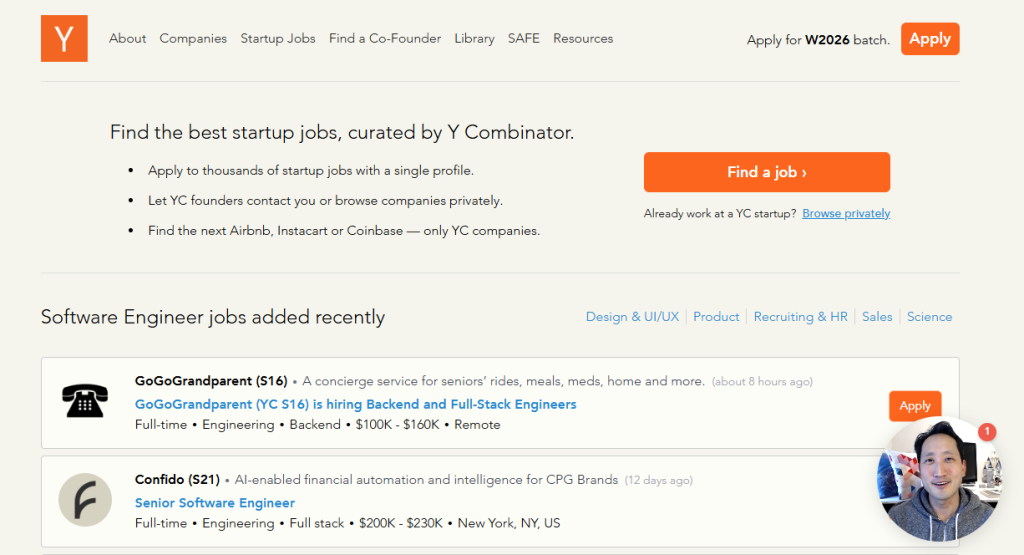
For those aiming to work at the forefront of innovation, the Y Combinator (YC) job board is a must-visit. It exclusively features job openings at YC-backed startups. These are some of the most promising and well-funded startups in the world, and they are always on the lookout for ambitious talent ready to make an impact. Roles range from engineering and product to marketing and operations.
Pro tip: These are highly competitive roles at fast-moving companies. A generic application will almost certainly be ignored. Personalize every application, reference the company’s product or mission, and explain exactly how your skills can help them achieve their goals. A targeted approach is non-negotiable here. A well-organized search is crucial, so consider using a job application tracker to master your search.
The best freelance & contract platforms
The gig economy is booming, and for many professionals, freelancing offers the ultimate in flexibility and control. Whether you’re looking to build a portfolio, earn supplemental income, or run your own full-time business, freelance platforms are essential for finding clients. These marketplaces connect independent contractors with businesses seeking specialized skills for short-term or long-term projects.
10. Upwork
Upwork is one of the largest and most well-known freelance marketplaces in the world. It hosts millions of projects, from simple, one-off tasks to complex, long-term contracts. You can find work in virtually any field, including writing, graphic design, web development, marketing, and virtual assistance. You create a profile, bid on projects by submitting proposals, and build a reputation through client feedback.
Caution: The platform’s size means competition is fierce. To succeed, you must create a compelling profile that showcases your expertise and write standout proposals tailored to each client’s needs. Positive reviews are critical, so delivering high-quality work on time is paramount.
11. Contra
Contra is a modern, commission-free freelance platform that is gaining popularity, especially among Gen Z professionals. It’s designed for independent creators, marketers, developers, and designers. The platform’s 0% commission model is its biggest differentiator—you keep 100% of what you earn. It’s built around a portfolio-first approach, allowing you to showcase your best work visually.
Great for: New freelancers who want to build a client base without losing a percentage of their income to platform fees. Contra also facilitates client relationship management and payments, making it an all-in-one tool for running your freelance business.
12. Toptal
Toptal (a portmanteau of “top talent”) is an exclusive network for the top 3% of freelance talent. It caters primarily to seasoned developers, designers, finance experts, project managers, and product managers. The platform has a rigorous screening process that includes language and personality tests, timed skill assessments, and live interviews. If you make it through, you gain access to high-quality projects from leading companies and startups, often with significant budgets.
This platform isn’t for beginners, but for experienced professionals looking to command top rates, Toptal offers unparalleled opportunities and a steady stream of high-paying work.
Essential job search tips for 2026
Finding the best job boards is only the first step. To turn those listings into interviews, you need a smart and disciplined strategy. The job market is more competitive than ever, and leveraging the right job search tips can make all the difference.
- Tailor every application: This is the golden rule of job searching. A generic, one-size-fits-all resume and cover letter will likely be filtered out by an Applicant Tracking System (ATS). Analyze the job description for keywords and skills, and customize your application materials to mirror that language. Show the employer you’ve done your homework and are genuinely interested in their specific role. It takes more time, but the return on investment is massive. You can learn more about how to bypass the ATS with our detailed guide.
- Use boolean search operators: Don’t just type “marketing manager” into the search bar. Get precise with Boolean search. Use operators like AND, OR, and NOT to refine your results. For example, a search for “product manager” AND “SaaS” NOT “entry-level” will give you much more relevant listings. Use parentheses for complex searches, like (“UX designer” OR “UI designer”) AND “remote”. Mastering this skill will save you hours of sifting through irrelevant jobs.
- Set up job alerts: The early applicant often gets the attention. For competitive roles, the application window can be short. Set up alerts on all your favorite job boards so you get notified the moment a new role matching your criteria is posted. This gives you a chance to be one of the first to apply, showing employers you are proactive and enthusiastic.
- Network with intention: Your network is one of your most valuable career assets. Don’t just apply blindly. Find employees who work at the companies you’re interested in on LinkedIn. Reach out for a brief informational interview to learn more about the role and company culture. People are often happy to help, and a referral from an internal employee can catapult your resume to the top of the pile. Remember, networking is still a powerful way to land a job.
- Track everything meticulously: When you’re applying to dozens or even hundreds of jobs, it’s easy to lose track. Which jobs did you apply for? When did you apply? Did you follow up? A simple spreadsheet can work, but a dedicated job search tracker is even better. Tools like the HirePilot Job Tracker help you manage your entire pipeline in one place, from application to offer. This organization prevents you from missing follow-up opportunities and helps you analyze what’s working and what’s not.
- Keep a job search journal: A job search can be an emotional rollercoaster. A journal can help you process your experiences and learn from them. After each interview, write down the questions you were asked, how you answered, and what you could have done better. Note your successes and celebrate small wins. This practice not only improves your interview skills but also helps you maintain a positive mindset. For more career advice, check out resources from reputable sources like Harvard Business Review.
Stay ahead of the curve: Future skills for the job market
Finding the right job board is a powerful first step, but securing a fulfilling, long-term career requires looking ahead. The job market is evolving rapidly, driven by advancements in technology and shifts in business needs. To not just survive but thrive, you need to build the skills that employers of tomorrow will demand. Focusing on future-proofing your expertise is the ultimate career investment.
This isn’t about chasing every new trend. It’s about building a durable skill set that makes you adaptable, valuable, and indispensable, no matter how the landscape changes.
Key skills that will define future careers
While technical expertise remains important, the most sought-after skills are a blend of human-centric abilities and digital literacy. Here are the competencies you should focus on developing now.
1. Artificial intelligence (AI) literacy
AI is no longer a futuristic concept; it’s a tool that is reshaping industries. AI literacy doesn’t mean you need to become a machine learning engineer (unless you want to!). It means understanding how to use AI tools ethically and effectively to enhance your work. Whether it’s using AI to analyze data, generate reports, or even help draft outreach messages to recruiters, proficiency with AI gives you a significant competitive edge.
How to acquire it:
- Experiment with AI tools relevant to your field.
- Take introductory online courses on platforms like Coursera or edX that explain the basics of AI and machine learning.
- Follow AI leaders and publications to stay informed on the latest trends and applications.
2. Data analysis and interpretation
Companies are collecting more data than ever before. The ability to not just read data, but to interpret it, find patterns, and translate those findings into actionable business strategies is incredibly valuable. Professionals who can make data-driven decisions are essential in roles spanning marketing, finance, operations, and beyond.
How to acquire it:
- Learn the fundamentals of tools like Microsoft Excel, Google Sheets, and data visualization platforms like Tableau.
- Explore introductory courses in SQL or Python, two of the most common languages for data analysis.
- Volunteer for projects at your current job that involve analyzing performance metrics or customer feedback.
3. Emotional intelligence (EQ)
As routine tasks become more automated, uniquely human skills like emotional intelligence become more valuable. EQ encompasses self-awareness, empathy, communication, and relationship management. It’s the ability to collaborate effectively, lead with compassion, and navigate complex social dynamics in the workplace. It is a skill that cannot be replicated by machines.
How to acquire it:
- Actively practice active listening in conversations.
- Seek feedback from managers and peers on your communication and collaboration style.
- Read books or take workshops focused on developing empathy and interpersonal skills.
4. Adaptability and continuous learning
The concept of a “job for life” is outdated. The new reality is a career of continuous learning and adaptation. Adaptability is the willingness and ability to embrace change, learn new skills, and pivot when necessary. Employers want to hire people who are curious, resilient, and committed to their own professional growth.
How to acquire it:
- Step outside your comfort zone regularly, whether by taking on a new responsibility or learning a new software.
- Cultivate a “growth mindset” — the belief that your abilities can be developed through dedication and hard work.
- Dedicate a few hours each week to learning, whether through reading, podcasts, or online courses.
5. Digital marketing and communication
In a connected world, every company needs a digital presence. Understanding the fundamentals of digital marketing—such as SEO, content marketing, social media management, and email campaigns—is valuable even for non-marketers. These skills help you understand how a business communicates with its audience and acquires customers, making you a more commercially aware employee.
How to acquire it:
- Take advantage of free certifications from Google (like Google Analytics) and HubSpot.
- Start a small personal project, like a blog or a social media channel on a topic you’re passionate about, to practice these skills.
Using job boards to find future-focused roles
The best job boards are not just for finding your next job, they are powerful tools for career planning. Use them to see which skills are in high demand in your industry. Pay attention to the language in job descriptions for roles you aspire to hold in 5-10 years. Are there recurring tools, technologies, or competencies listed? That’s your roadmap for what to learn next.
When searching on platforms like LinkedIn or niche tech job boards, use these future skills as keywords. Search for roles that include terms like “AI,” “data analysis,” or “digital transformation” to find forward-thinking companies that will support your growth. By aligning your skill development with real-time market demand, you position yourself as a proactive and highly valuable candidate, ready for the challenges and opportunities of the future.
FAQ: Best job boards and future skills to find high-quality jobs online
1. What is the best job board for remote work?
We Work Remotely and Remote OK are consistently rated as top choices for their high-quality, curated listings from remote-first companies. FlexJobs is also an excellent option if you are willing to pay a small fee for access to hand-vetted remote and flexible jobs, which saves you time and protects you from scams.
2. How do I get more responses to my applications?
Tailoring every single application is the most effective way to increase your response rate. Use keywords from the job description in your resume and cover letter to get past ATS filters. Whenever possible, write a short, thoughtful message to the hiring manager. Show that you understand the company’s needs and can provide a solution. Finally, consider using a tool that automates the tedious parts of applying, so you can spend more time on personalization. Learning the fastest way to apply for jobs online can be a game-changer.
3. Is it worth paying for FlexJobs or other premium boards?
If you are serious about your job search, especially for remote or flexible roles, a premium board like FlexJobs can be a worthwhile investment. The fee acts as a filter, reducing competition and eliminating scammy or low-quality listings. The time you save by not having to vet every opportunity yourself can easily justify the cost. Think of it as a small investment in your career.
4. How many job boards should I use?
Quality over quantity. Using 3 to 5 focused boards is far more effective than browsing 10 random ones. A good strategy is to combine one or two large, general boards like LinkedIn and Indeed with two or three niche boards specific to your industry or desired work style (e.g., a tech board, a remote board). This gives you both broad coverage and targeted opportunities.
5. How do I stay organized when applying to multiple jobs?
The best way to stay organized is to use a dedicated job application tracker or a job search CRM. While a spreadsheet can work, tools like HirePilot are designed specifically for this purpose. They allow you to keep track of every application, deadline, contact person, and follow-up in a centralized dashboard, ensuring nothing falls through the cracks and empowering you to take control of your job search.
6. How can I determine which future skills are most relevant to my industry?
Start by reviewing job descriptions for the roles you want in the next few years. Look for patterns in required tools, technologies, and soft skills. You can also network with professionals in your field and seek guidance from mentors or industry groups. Many job boards and career resources provide regular reports on in-demand skills as well.
7. What’s the best way to keep my future skills up to date?
Commit to continuous learning by setting aside time each week for skill development. Follow reputable online learning platforms, attend industry webinars, read thought leadership articles, and participate in short courses or certifications. Staying engaged with your professional network will also help you stay ahead as trends and tools evolve.